

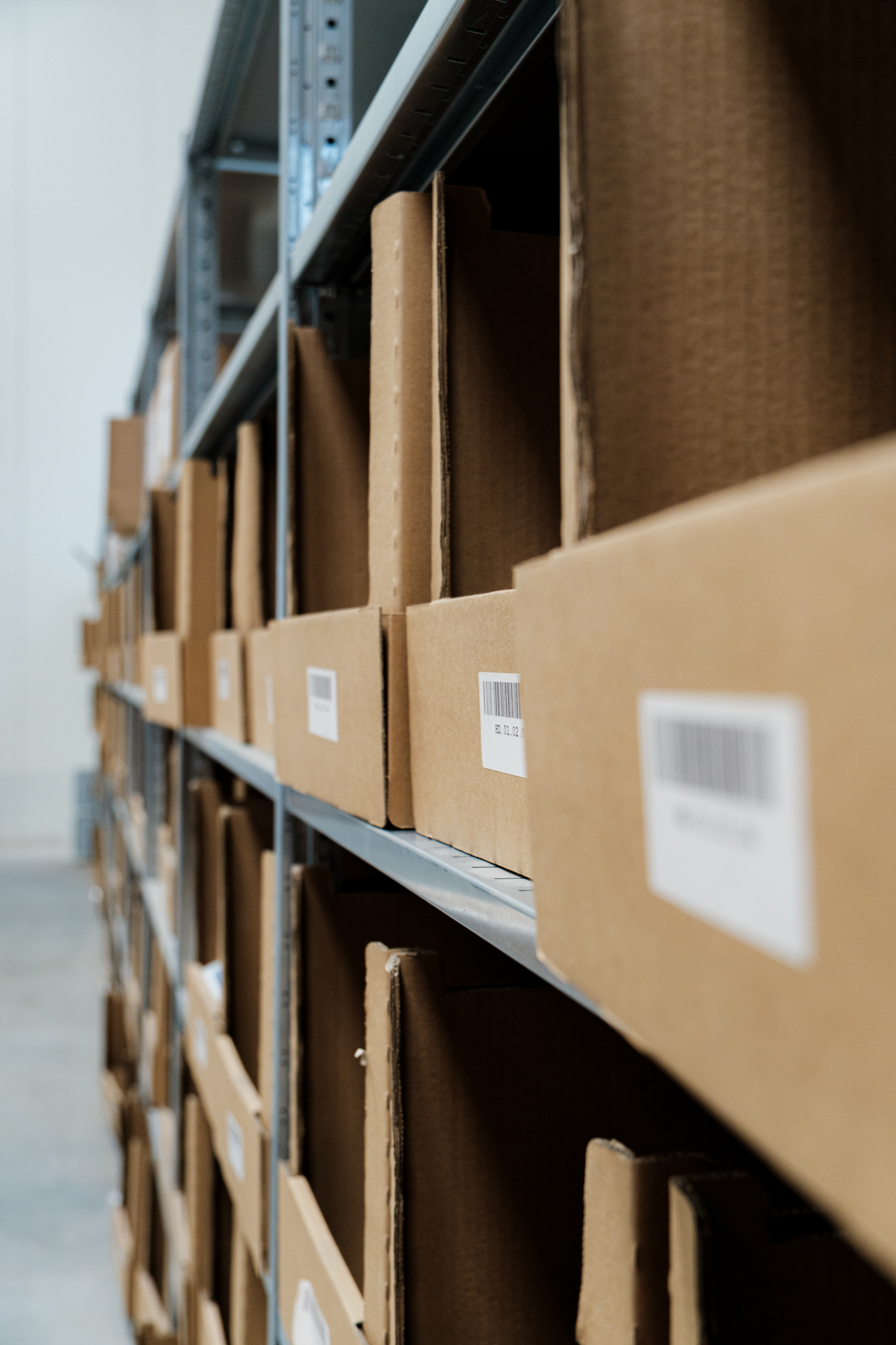
When your warehouse no longer meets the needs
Markets are changing rapidly. Product ranges are growing, customers expect faster delivery times and distribution channels are becoming more complex. What once seemed like a logical warehouse layout can quickly feel outdated.
Employees walk unnecessarily far, stocks are difficult to find and peak periods cause chaos. An inefficient layout not only costs time, but also increases the chance of errors and delays. It is therefore a sign that it is time for a smart redesign.
What does a smart warehouse layout involve?
A smart layout starts with insight into your goods flows. Which products are ordered most often? Where are the seasonal peaks? And how do you combine storage with efficient order picking?
By answering these questions and adapting the layout accordingly, you can save a lot of time and money. Consider moving fast-selling items to easily accessible locations or using technology such as a warehouse management system (WMS).
Want to know more about how IT and logistics outsourcing come together? Also read what is 3PL.
The effect of market pressure
The pressure on warehouses is increasing. The growth of container volumes in Rotterdam shows that goods flows continue to increase, which means that the demand for efficient storage is increasing.
In addition, international trade can create extra complexity. Errors in documents or incorrect routing can lead to delays. An AEO-certified partner ensures that handling is faster and more reliable.
Safety and digitization
A redesign is not just about efficiency, but also about safety and transparency. Innovations such as the Chain of Trust in the Port of Rotterdam show how important it is to organise processes digitally and securely. This not only helps with container transport, but also inspires warehouses to work more safely and smartly.
Flexibility in the event of unexpected events
Logistics remains sensitive to external factors. Consider disruptions such as the blockade of the Suez Canal. A warehouse that is smartly designed makes it easier to support alternative routes or processes and switch quickly.
Conclusion: make your warehouse ready for the future
A warehouse that no longer meets the needs of the market does not have to be a brake on growth. With a smart redesign, you make processes more efficient, reduce the chance of errors and prepare yourself for future developments.
At Van der Helm we combine experience in warehousing with strategic insight into supply chains. In this way we help companies to organise their storage more smartly and at the same time maintain control over their entire logistics.