

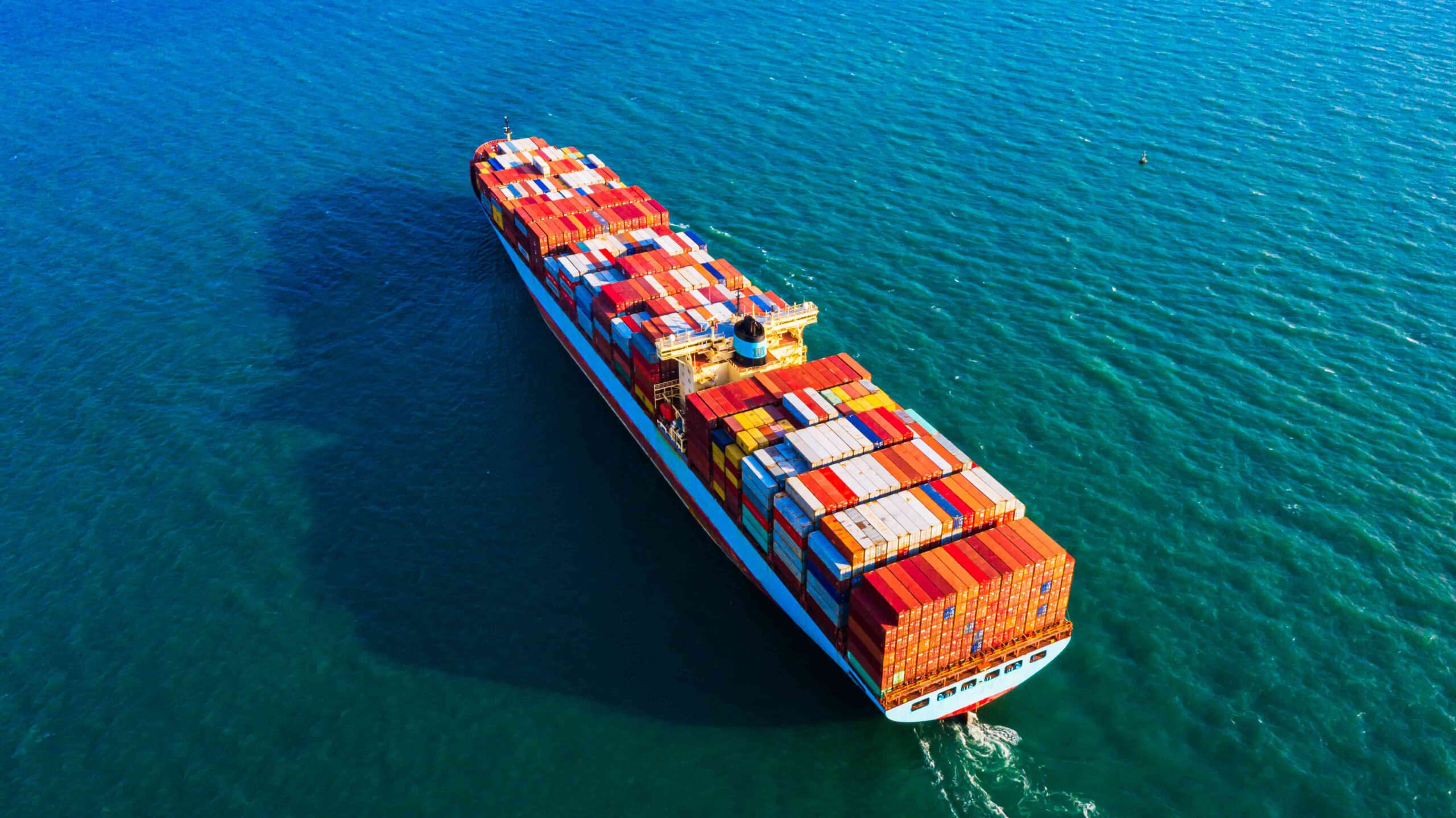
In international shipping and logistics, End of Voyage (EOV) refers to a situation where a shipping line decides that a vessel will not complete its originally planned route. This means that the scheduled delivery to the final destination is not carried out as contractually agreed.
An EOV is usually only declared under exceptional circumstances. These include safety risks, geopolitical tensions, closed ports, or other situations that make it irresponsible or impossible to continue the voyage.
For shippers and importers, an EOV has direct consequences for the planning, costs, and further logistical handling of their goods.
What does End of Voyage mean in practice?
Within a contract of carriage, a voyage refers to the planned route from the port of departure to the destination. When a shipping line declares an End of Voyage, it means the journey is officially terminated before the original destination is reached.
The container shipping line MSC, for example, uses this term when vessels cannot complete their journey to certain ports due to risks or disruptions.
Instead of following the original route, the vessel is diverted to an alternative safe port. From that moment on, the logistical and contractual responsibility for the goods also changes.
What happens to goods that are already in transit?
When an EOV is declared for a vessel or route, containers are no longer transported to the original port. The vessel sails to the nearest safe port where the goods can be discharged.
The main consequences are:
- Containers are discharged at an alternative port
- The original delivery to the final destination is terminated
- Responsibility for further logistics shifts to the owner of the goods
This means that shippers or importers must organize the onward transport of the shipment to the original destination themselves.
Financial and operational consequences of EOV
An End of Voyage has not only logistical consequences but also a financial impact. In many cases, additional costs are charged due to the disruption and the need to discharge goods at an alternative port.
In recent EOV situations, for example, the following apply:
- A surcharge of USD 800 per container for affected shipments
- Costs for transshipment, storage, and local handling at the alternative port
- Additional costs for onward transport to the original destination
In addition, empty containers already released for export may also fall under the same arrangement. As a result, an EOV can affect both import and export flows.
What should owners of goods do in the event of an EOV?
When an End of Voyage is announced, it is important to act quickly. By assessing the situation promptly and making new logistical plans, additional costs and delays can be limited.
Key steps include:
- Determining at which port the goods are being discharged
- Understanding local procedures for collection and handling
- Organizing onward transport or rebooking to the final destination
- Checking whether insurance provides coverage for this situation
In many cases, this means a new booking must be made to transport the goods to the original destination after all.
Why EOV is not a normal schedule change
An End of Voyage is not a standard change in a sailing schedule. It is a contractual and commercial decision made when a voyage can no longer be continued under the original terms.
This makes EOV fundamentally different from a delay or route adjustment. This is because the original transport obligation is terminated and responsibility shifts to the owner of the goods.
For companies transporting internationally, it is therefore important to be able to pivot flexibly and quickly organize alternative logistical solutions.
You can read more about how international transport flows and supply chains are structured on our freight forwarding page.