

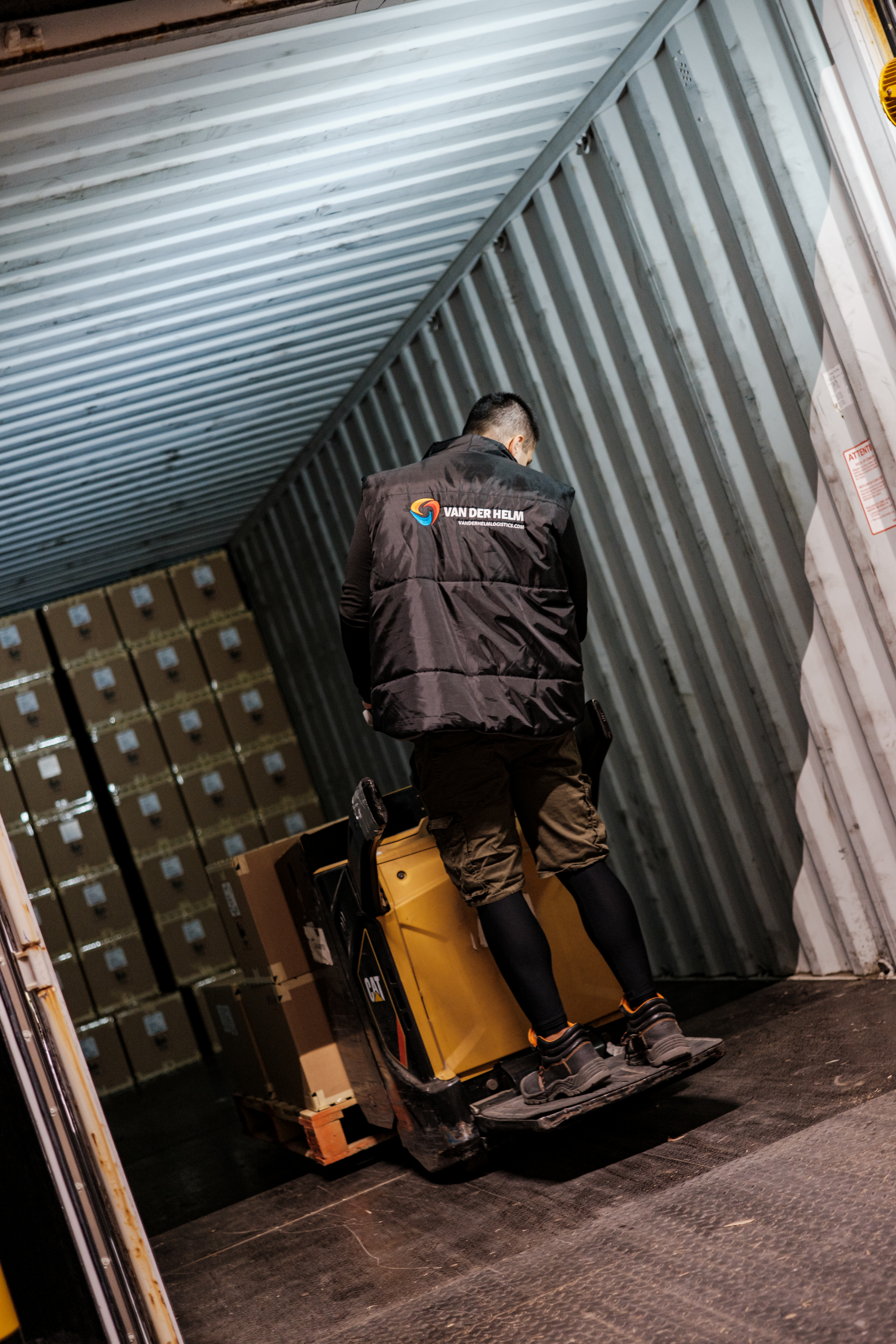
Container transport is under structural pressure
Container transport has changed dramatically in recent years. Where lead times and costs used to be relatively stable, companies are now increasingly faced with port congestion, rising waiting times, and unexpected surcharges. These factors make container transport less predictable and increase the pressure on planning and budgets.
What were once incidental disruptions have now become structural challenges. Maintaining control therefore requires a different approach.
Congestion: when the port becomes the bottleneck
Port congestion occurs when volumes grow faster than available capacity. Ships wait longer, terminals become full, and containers are released with delays. This has a direct impact on inland transport and the rest of the supply chain.
When containers are not available on time, schedules shift and extra pressure is placed on transport and storage. Without proper management, this quickly leads to frustration and additional costs.
Waiting times cause chain reactions
Waiting times are not limited to the port alone. Drivers, terminals, and warehouses also face delays. Every extra hour of waiting increases the chance of disruption further down the chain.
This chain reaction makes container transport vulnerable. Especially when multiple links depend on tight time slots, a small delay can have major consequences.
Surcharges make costs unpredictable
In addition to lost time, congestion and waiting times often lead to extra surcharges. Think of demurrage, detention, and peak season surcharges. These costs are not always transparent in advance and directly impact margins.
Without a good overview, it can feel as though container transport is becoming increasingly expensive, while the cause often lies in a lack of control over the process.
Control begins with integrated transport management
Container transport requires management of the entire trajectory. Not only sea transport, but also pre- and post-carriage must be planned flexibly. By organizing transport integrally, delays can be better absorbed and extra costs limited.
Read more about how we organize transport here:
https://vanderhelmlogistics.com/services/transport/
Customs as a critical factor
When containers arrive later than planned, customs clearance also comes under pressure. Incomplete or late documentation can cause additional delays, keeping containers in the port even longer.
A tightly organized customs process helps to get containers released as quickly as possible and prevent further bottlenecks.
More about our customs services:
https://vanderhelmlogistics.com/services/customs/
Warehousing as a buffer against disruptions
Flexible warehousing plays an important role in managing container flows. By quickly removing containers from the port and storing goods temporarily, space is created to reschedule.
A warehouse thus functions as a buffer between an unpredictable port and tight distribution planning.
View our warehousing solutions:
https://vanderhelmlogistics.com/services/warehousing/
A single point of contact prevents fragmentation
The more parties involved in container transport, the greater the chance of miscommunication. By working with a single logistics partner who maintains the overview, clarity is created.
A single point of contact means shorter lines of communication, faster decisions, and fewer surprises. This provides peace of mind in a chain that is under pressure.
Conclusion: control requires preparation and management
Congestion, waiting times, and surcharges make container transport more complex, but not unmanageable. With insight, flexibility, and clear management, the supply chain keeps moving.
At Van der Helm, we help companies keep container transport manageable. By smartly connecting transport, customs, and warehousing, we ensure overview and control — even during peak periods.
👉 Would you like to discuss how your container transport can become more resilient to disruptions?
Get in touch with our team via:
https://vanderhelmlogistics.com/contact/