

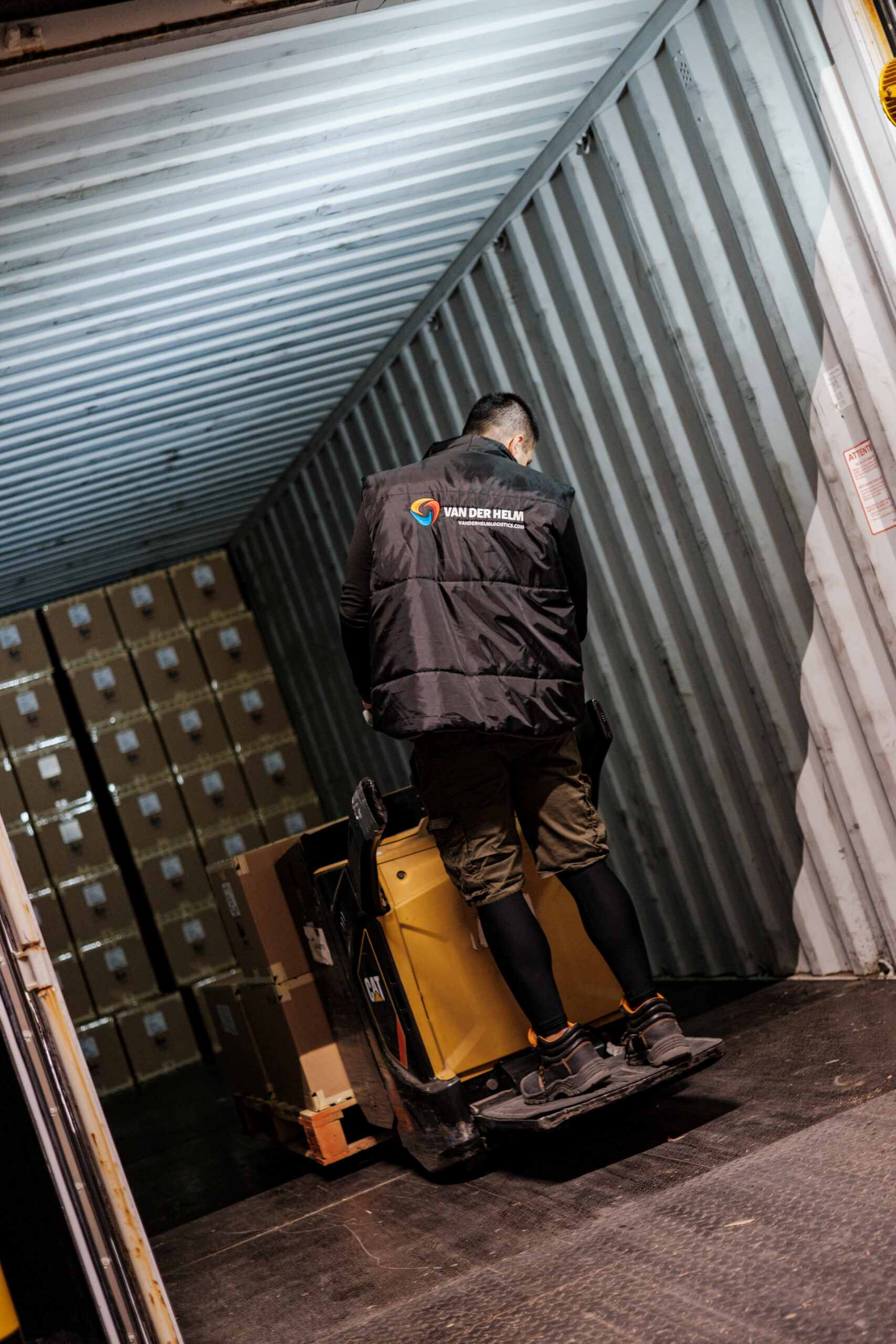
Container shipping is a streamlined way of transporting goods internationally in fixed-size metal containers. This form of transportation has become the standard in global logistics because it is fast, safe and efficient. Whether you want to move parts, textiles, electronics or raw materials, containers allow large volumes to be moved from A to B easily and protected.
How does container shipping work?
The strength of container transport lies in the standardized process. Goods are loaded into a container suitable for the type of cargo and then transported via multiple modes of transportation. Often sea freight, rail and road transport are combined. Your goods remain in the same container en route, which reduces risks of damage or delays. This intermodal nature makes container shipping attractive to companies that operate internationally and need reliability and predictability.
Types of containers and their applications
Not every cargo fits into a standard container, which is why different types have been developed. Standard 20- or 40-foot containers are most commonly used and are suitable for dry goods. For higher or bulky products, there is the high cube container. If temperature-sensitive products such as food or pharmaceuticals are involved, a refrigerated container is necessary. There are also open top and flat rack containers, especially for loads that cannot fit in a closed container due to shape or size.
The advantages of container shipping
Container shipping offers logistical peace of mind. Because your goods are not transshipped en route, you reduce the risk of damage and loss. The process is standardized, so you can switch faster and keep costs under control. Moreover, containers can be used worldwide, so you remain flexible in choosing routes and carriers.
Container transport versus conventional transport
Unlike conventional transport, in which goods are loaded and unloaded loose, container transport keeps products in the same packaging throughout the journey. This not only ensures greater safety, but also makes it easier to coordinate transports and keep delivery times reliable. Especially in international routes, this is of great value.
The role of container shipping in international logistics
Container shipping is indispensable in modern supply chains. It makes global trade accessible, speeds up deliveries and provides economies of scale for both large and smaller companies. The predictability and ease of transporting containers by land, water and rail makes this form of transportation the foundation of many logistics networks.
Why Van der Helm tells about this
At Van der Helm, we focus on completely unburdening customers within logistics. We do not perform container shipping ourselves, but we encounter it daily in the supply chains we are a link in. We share this knowledge because we believe that insight leads to better decisions. Whether you import, export or are looking for a partner who thinks along with you about your logistics strategy.
Want to know more?
Want to spar about the use of container shipping within your supply chain or are you curious about how your logistics can be made smarter? Feel free to contact us. We like to think along with you, with an eye for your situation and goals.