

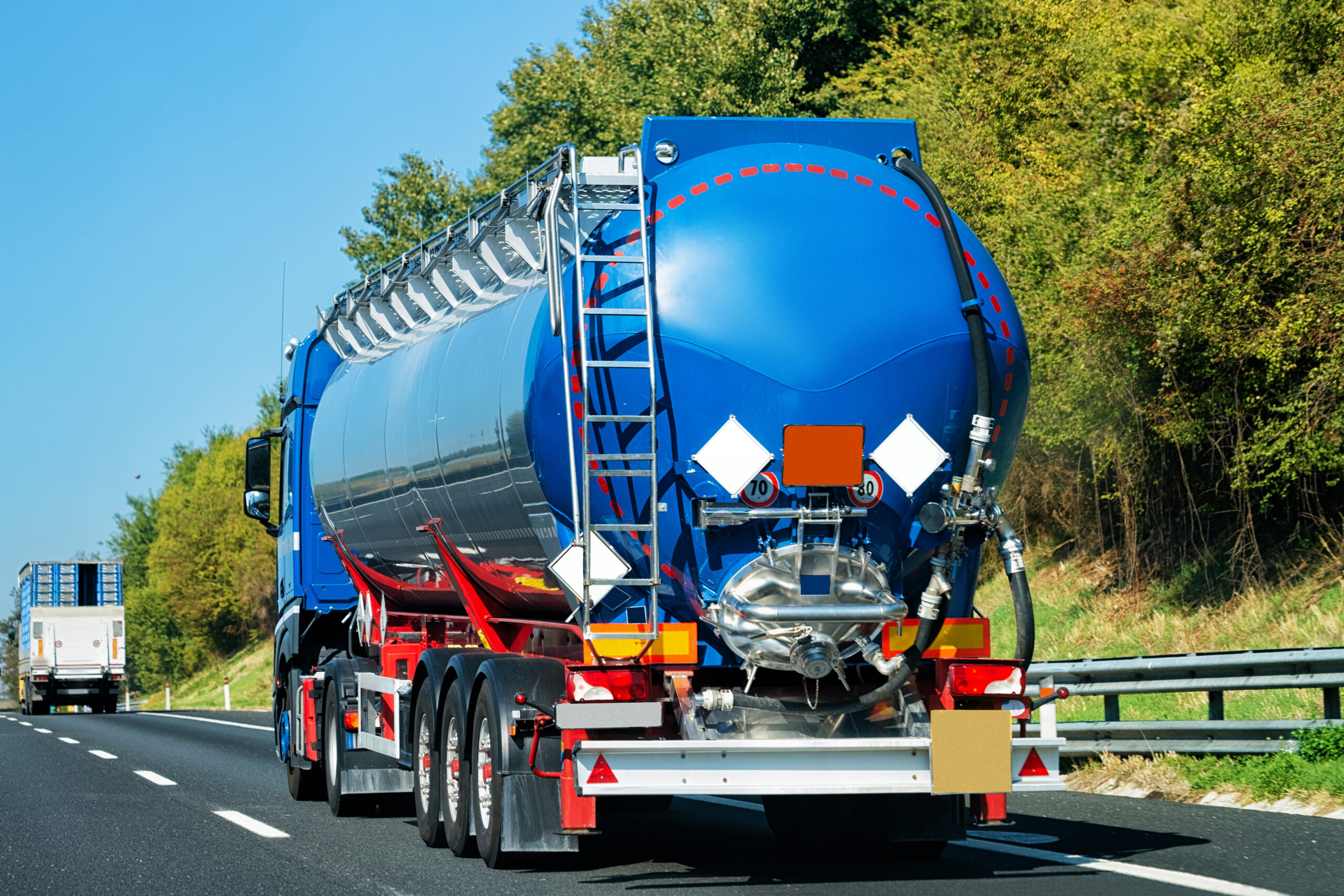
Tank transport is a specialized form of transportation in which liquid or gaseous substances are safely and efficiently transported in special tankers or containers. These include fuels, liquid chemicals, foodstuffs such as milk or fruit juices, and industrial liquids. Because these products are often subject to strict safety and quality standards, tanker transport requires skill, experience and a well-organized logistics chain.
How does tanker transportation work?
Tank transport is all about control, safety and precision. Liquids are loaded into a tank truck or tank container that is specially equipped for the type of product. A distinction is made between:
- Insulated tanks, for products that are temperature sensitive;
- Pressure-resistant tanks, for gaseous substances;
- Coated or stainless steel tanks, for food-safe applications or aggressive chemicals.
During transport, additional measures such as temperature monitoring, inert gas use (e.g., nitrogen) or cleaning according to strict protocols are often taken.
What is tanker transportation used for?
Tank transportation is essential in industries where liquids and gases play a central role. Consider:
- The chemical industry, for transporting acids, alkalis or solvents;
- Food industry, for transporting milk, oils or fruit juices;
- Petrochemicals, for fuels, lubricants and other petroleum products;
- The pharmaceutical sector, where purity and safety are top priorities.
Importance of safety and regulation
Because of the nature of the products, safety within tank transport is crucial. Strict international regulations such as ADR (for road transport of hazardous materials) apply, and there are often additional requirements for documentation, tracking and driver training. The tanks themselves are also inspected periodically to prevent leaks or contamination.
How is it different from regular transportation?
Unlike pallet or general cargo transport, tanker transport is entirely focused on one type of cargo: liquids or gases. It requires a different infrastructure, different vehicles and different knowledge. The loading and unloading procedures are more technical and the risks in case of errors are higher, so specialized carriers are called in.
Why this knowledge is relevant to your logistics
Even though Van der Helm does not offer tank transport itself, we believe in sharing knowledge to best inform our customers about all aspects of logistics. Perhaps you’re considering expanding a product line or working with partners who transport liquid goods. Understanding tank transportation helps you make better choices in your supply chain.
Want to know more?
Are you looking for logistics support where safety, reliability and customization are paramount? Feel free to contact us. We are happy to think with you about the best solution for your situation, whether that is with tanks or through one of our other logistics services.