

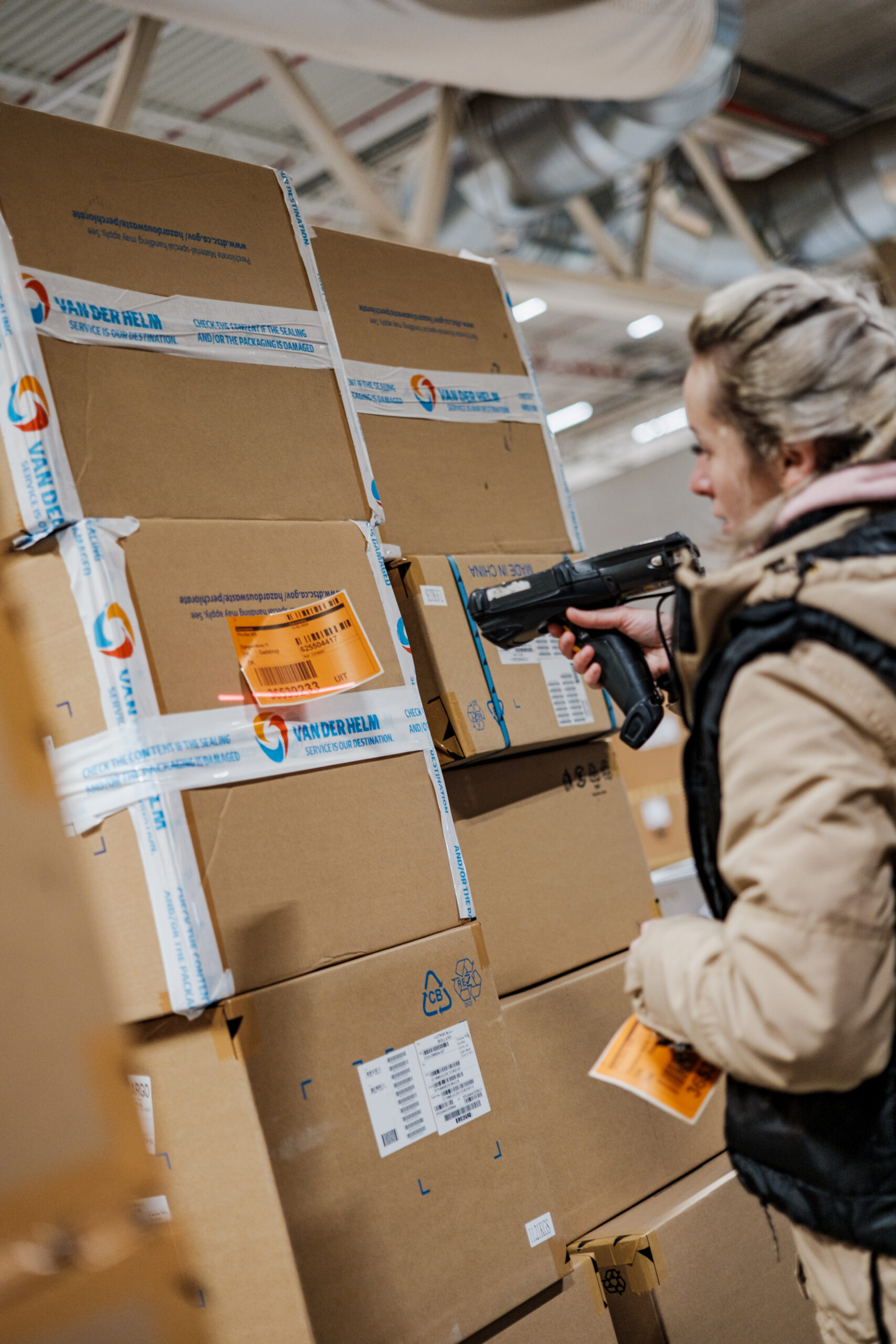
Returns logistics is often the forgotten link in the supply chain. Yet this part determines whether customers trust you again, whether they recommend your service, and whether your costs remain manageable. With a smart approach, returns logistics transforms from a cost center into a valuable optimization opportunity.
An efficient returns process requires insight, structure, and the right tools. In this blog, we’ll show you how to approach it step by step.
Why Returns Logistics is Strategically Important
Returns are inevitable. Think of webshops with high return rates, but also B2B shipments where errors, excess stock, or damage occur. Without a streamlined returns process, chaos quickly develops in your warehouse, customers become frustrated, and margins are lost. But when you set up returns logistics professionally, you can gain a lot:
- Lower operational costs
- Faster processing time of returns
- Higher customer satisfaction and repeat purchases
- Better inventory control
- More circular use of returned goods
5 Steps for an Efficient Returns Process
1. Map your return flows in detail
How many returns do you receive per month? Why are they being returned? And how long does it take to process a return shipment? These insights form the foundation of any improvement process. Analyze your data and involve warehouse and customer contact teams in the process.
2. Establish clear return conditions
An efficient return starts with clear communication. Ensure transparent return conditions and procedures, such as return deadlines, return reasons, contact points, and any required authorization. Clarity prevents errors, discussions, and unnecessary processing time.
3. Automate where possible
A manual returns process is slow and error-prone. Automation reduces the margin of error and lowers workload. Consider:
- Automatically generated return labels
- Integration of return notifications in your order management system
- Barcode scanning when receiving returns
- Automated status updates to customers
4. Set up a separate returns area within your warehouse
Physical separation is essential. A separate returns area with fixed workstations and a clear process ensures that returns are quickly assessed, registered, and sorted. Consider three streams: resaleable, repairable, or to be written off.
5. Incorporate return data into your strategy
The greatest value lies in the insights that returns provide. Which products are frequently returned and why? Which suppliers deliver vulnerable or incorrect shipments? Use this data to improve assortment, packaging, transport, or customer information.
Practical Example: Returns During Seasonal Peaks
During peak periods, such as after holidays or during fashion seasons, the number of return shipments often skyrockets. Without a scalable process, warehouses become overwhelmed. Van der Helm works with customers to set up temporary return capacity in advance, including additional scanning teams, flexible space, and real-time return monitoring. This keeps operations running smoothly, even during busy periods.
Smart Return Management Requires Control
Managing returns logistics means more than just taking back boxes. It requires control, insight, and collaboration between fulfillment, customer service, IT, and transport. A logistics partner with experience in returns handling actively contributes ideas and helps set up your processes to be scalable and reliable, both now and in the future.
On-time delivery starts with choosing certainty
Whether you process hundreds of shipments daily or operate internationally with suppliers: returns are part of your logistics. With a partner that smartly organizes your returns process, you maintain control over costs, speed, and customer satisfaction.
Want to know more about our approach to warehousing? Check out our page about warehousing.