

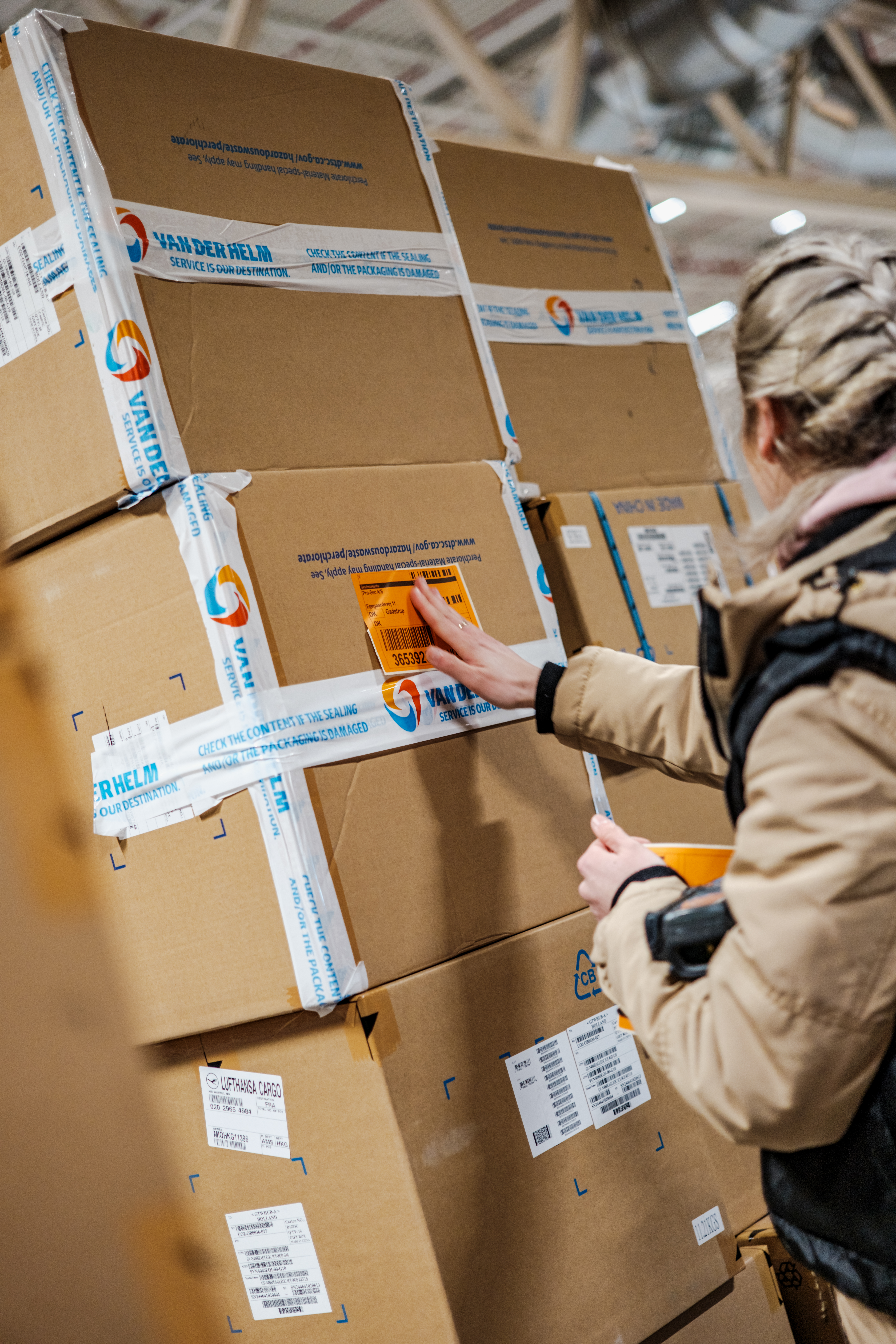
What is inventory fragmentation?
Inventory fragmentation occurs when goods are spread across multiple warehouses, locations, or even external storage sites. In practice, this often leads to a lack of oversight, higher inventory costs, and a greater risk of errors.
Employees have to check stock in multiple places, orders originate from different warehouses, and customers wait longer for their deliveries. In short: inventory fragmentation costs time, money, and customer satisfaction.
The disadvantages of fragmented inventory
Fragmented inventory increases the likelihood of inefficiency. You often need more stock to guarantee the same service level because you lack a real-time total overview. This means higher costs and a greater risk of obsolete or unsold products.
Additionally, it slows down order processing. Orders sometimes need to be consolidated from multiple warehouses, leading to longer lead times and higher transport costs. During peak periods, the problem only intensifies.
Why centralized storage is the solution
With centralized storage, you bring all your inventory together in one location. This provides immediate benefits:
- Better oversight: you can see what is available at a glance.
- Lower costs: you need less inventory and avoid duplications.
- Faster deliveries: orders are processed and shipped from a single location.
- Better planning: inventory management and transport are better aligned.
This makes centralized storage not only more efficient but also more scalable. Growing companies can scale up much faster with a central warehouse.
A 3PL partner can make the difference here by not only providing storage but also integrating order picking, distribution, and returns.
Want to know more? Read more about smart inventory management in the warehouse.
Centralized storage and international trade
For companies active internationally, centralized storage offers even more advantages. Customs formalities and documentation are handled more clearly, reducing the risk of errors and delays.
With an AEO-certified partner, you also benefit from faster customs clearance and fewer inspections.
Want to know what role specialists play in this? Discover what a customs broker does.
Prepared for market changes
Logistics is constantly changing. The Suez Canal blockage showed how vulnerable supply chains are. Companies with a grip on their inventory and transport were able to respond more quickly using alternative routes.
The growth of container volumes in Rotterdam also demonstrates the importance of efficient inventory management. Companies with centralized storage utilize capacity better and remain competitive.
Furthermore, digital innovations, such as the Secure Chain in container logistics, ensure greater security and transparency in the supply chain.
Conclusion: control and efficiency through centralized storage
Inventory fragmentation leads to higher costs, delays, and inefficiency. With centralized storage, you create oversight, save costs, and improve service to your customers. At Van der Helm, we combine modern warehousing solutions with transport, customs, and fulfillment. This ensures your inventory is managed centrally and efficiently—with control over every link in the supply chain.