

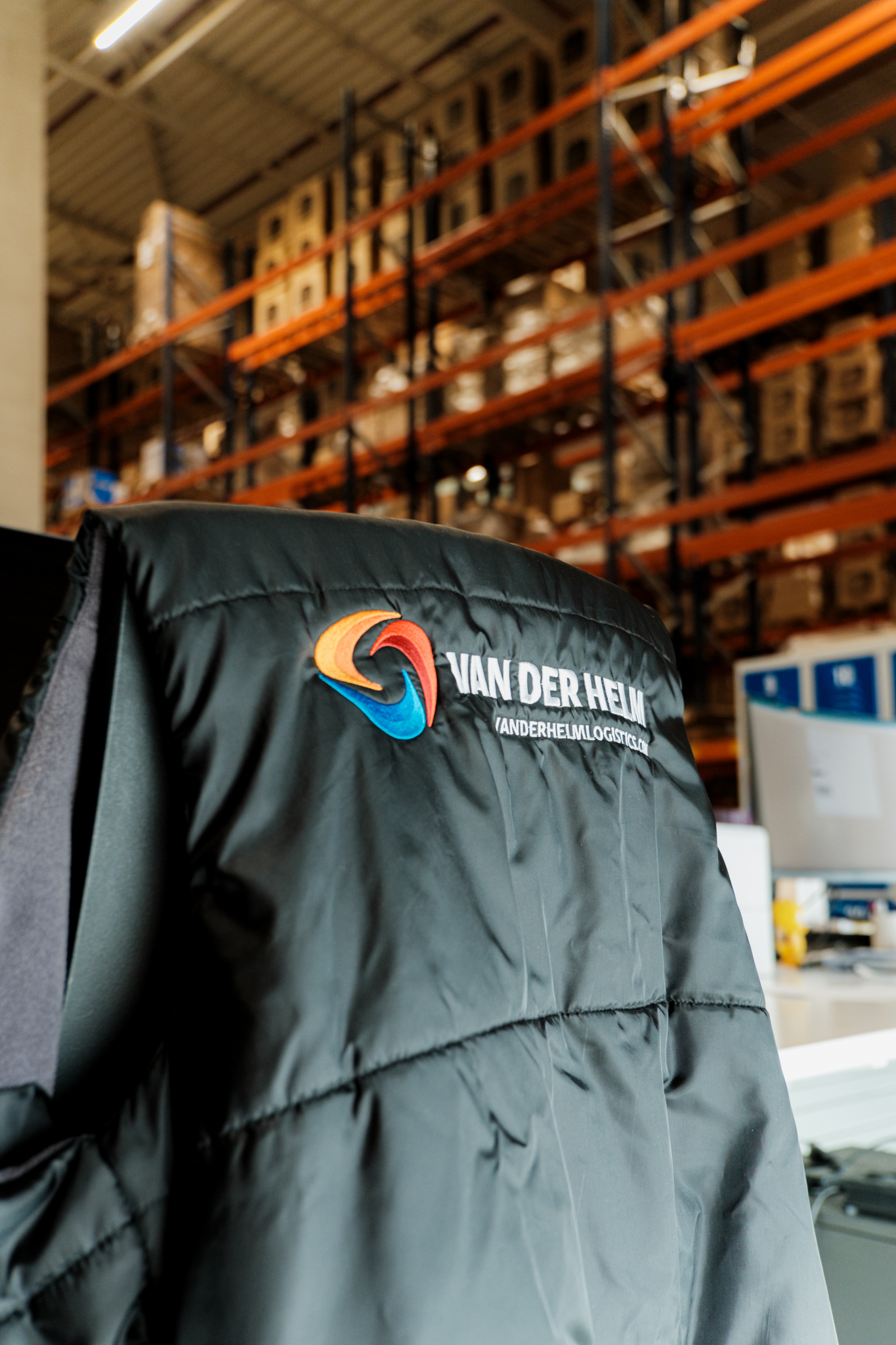
When too much space becomes a problem
A warehouse that is too full is a well-known bottleneck, but too much space is just as much of a challenge. Empty aisles, unused racks and inefficient routes lead to unnecessary costs and slow down processes. Rent, energy and personnel continue to run, while the available storage capacity is not used optimally.
Many companies see extra space as a luxury, but in practice it often leads to fragmentation, longer picking times and a lack of overview. Efficient use of storage capacity therefore starts with a smart design and a well-thought-out logistics approach.
Insight as the basis for better utilization
The first step towards more efficient use of space is insight. Which products move quickly and which remain still for longer? How are the routes organized and how many actions are needed to process an order? Without this insight, space remains unused or misused.
A professionally designed warehouse environment makes this data visible and translates it into a logical layout. This ensures that available space is used functionally instead of simply being filled.
Smart redesign of your warehouse
A redesign of the warehouse can often yield a lot of profit. By positioning shelves differently, placing fast-moving products closer to the picking location and clearly separating zones, efficiency increases without the need for extra space.
In addition, a smart layout prevents employees from walking unnecessarily. This saves time, reduces the chance of errors and increases productivity.
Read more about professional storage solutions here:
https://vanderhelmlogistics.com/services/warehousing/
Matching storage to fulfillment
Warehouse space is never separate from fulfillment. When storage does not match order flows, space and time are wasted. Products that are often ordered together should also be stored together.
By approaching storage and fulfillment in an integrated way, you make better use of the available capacity and order processing is faster. This alignment is crucial, especially for e-commerce companies.
More about fulfillment and e-commerce logistics:
https://vanderhelmlogistics.com/services/fulfilment-e-commerce/
Handling fluctuating volumes flexibly
Many companies have to deal with seasonal peaks or fluctuating stock levels. In quiet periods, this creates vacancies in the warehouse, while peak periods put pressure on capacity.
A flexible logistical design makes it possible to temporarily use or redistribute storage capacity differently. This keeps the warehouse efficient, regardless of the amount of stock.
Better coordination of transport and storage
Transport also plays a role in efficient use of space. If incoming and outgoing flows are not properly coordinated, stock will remain in place longer than necessary. By cleverly combining transport planning and storage, you shorten the dwell time of goods in the warehouse.
This not only leads to better use of space, but also to lower inventory costs.
Read more about our transport services:
https://vanderhelmlogistics.com/services/transport/
Conclusion: utilizing space is smart organization
Too much space in your warehouse does not mean that you are too big, but that there are opportunities to organize smarter. With better insight, an efficient layout and an integrated approach to storage, fulfillment and transport, you can make optimal use of your capacity — without extra costs or investments.
At Van der Helm, we look beyond square meters. We help companies to organize their warehouse in such a way that space, processes and growth are perfectly aligned.
Would you like to discuss how your storage capacity can be used more efficiently?
Get in touch with our team via:
https://vanderhelmlogistics.com/contact/