

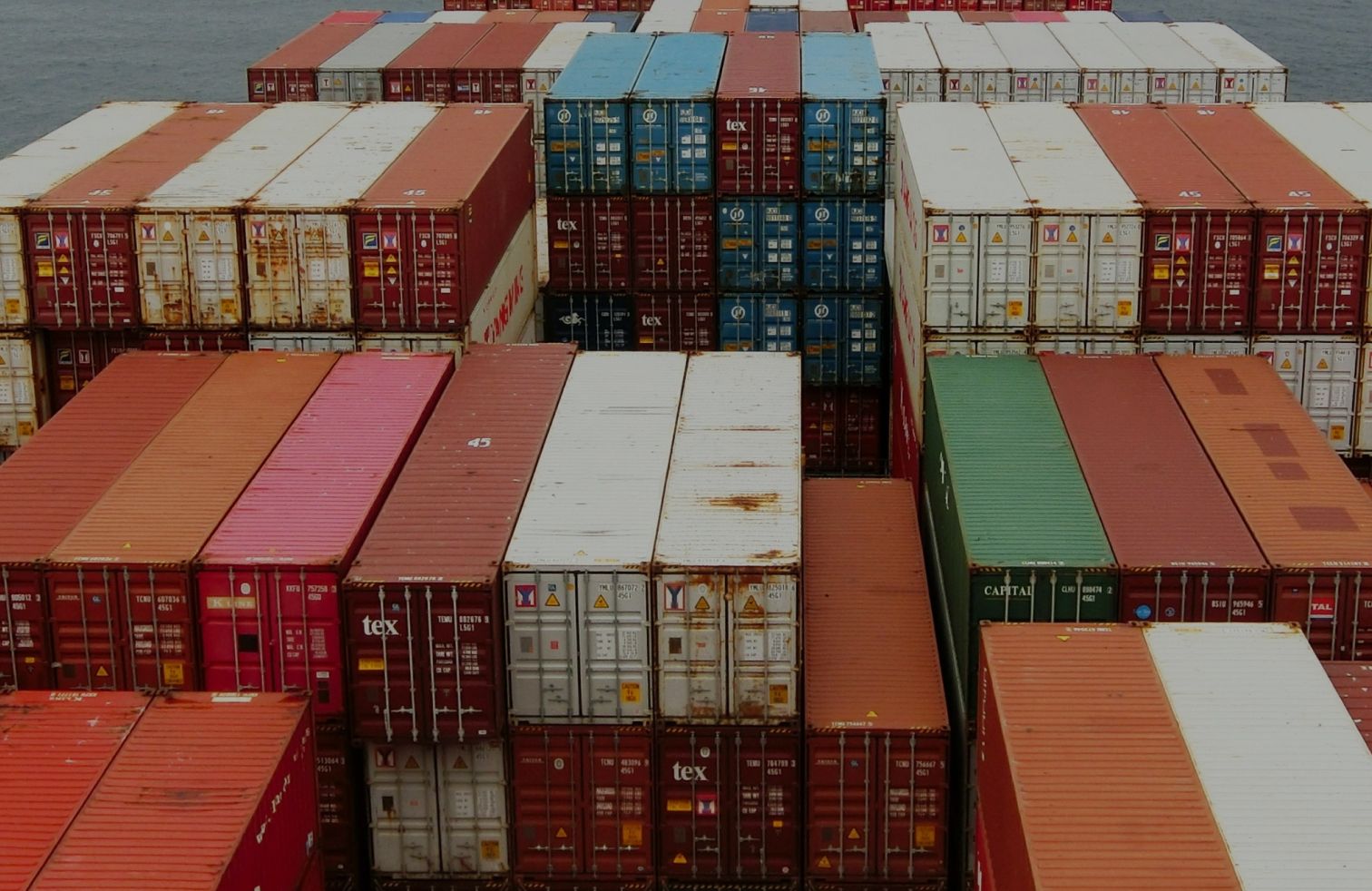
Container shipping faces a challenging decade. While shipping companies worldwide are investing heavily in new vessels, the demand for container transport is growing much slower. This further strains the balance between capacity and freight trade, increasing the risk of prolonged overcapacity.
Record Order Books and Saturated Capacity
According to the Financial Times (January 2025), shipping companies have ordered a record number of container vessels. This will increase the global fleet by 46% by 2026 compared to 2019, while demand is expected to grow by only 22% during the same period. This indicates a structural mismatch that could cause prolonged price pressure if trade volumes remain stable or decline.
World Trade and Rates Under Pressure
These concerns aren’t new. Maersk CEO Vincent Clerc warned in March 2024 that container shipping is facing global overcapacity. According to him, freight rates have dropped to levels that are unsustainable in the long term. The arrival of many new vessels – a capacity growth of 9% in 2024 and an expected additional 11% in 2025 (Reuters) – exacerbates this problem.
Continued Investment Despite Risks
Yet shipping companies continue with scaling up. Analysis by the Financial Times (April 2024) shows that capacity grew by 8% in 2023-2024, with another 10% increase expected in 2025. Despite signs of overcapacity, investments continue at a rapid pace, increasing pressure on the sector.
Ten Years of Overcapacity?
Although no source specifically mentions a ten-year term, current trends paint a scenario where overcapacity could persist for years. Major construction programs continue at least until 2026, while growth in freight trade structurally lags behind capacity increases. The result: continued tension between supply and demand, and a market that could face prolonged pressure.
Conclusion
Container shipping is moving towards structural overcapacity. With an expected fleet growth of 46% and demand increase of only 22%, the risk of prolonged imbalance is real. Analysts warn this will lead to pressure on freight rates and returns in the coming years. How long this situation persists depends on both market developments and shipping companies’ willingness to revise their investment strategies.
Want to learn more about our approach to container transport? Read more about our sea freight solutions.