

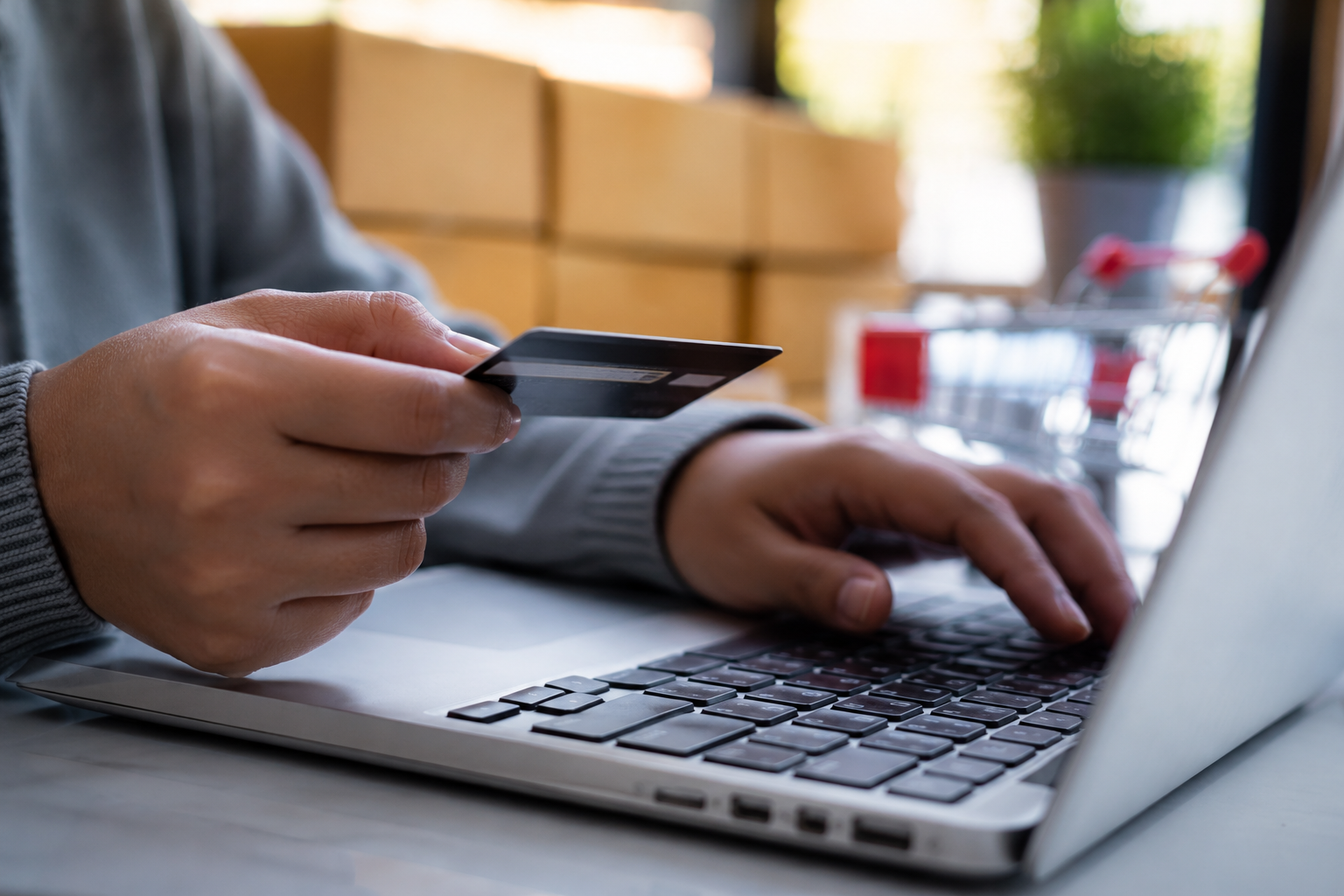
Many webshops invest heavily in marketing, advertising, and website optimization to attract more visitors to their online store. But what happens after a consumer adds a product to their shopping cart?
That is exactly where things often go wrong.
A consumer ready to check out is at the most critical moment of the customer journey. Yet, we see many orders being abandoned due to unexpected shipping costs, limited delivery options, or unclear return policies.
This makes logistics not just an operational process, but also a key factor for conversion.
The checkout is the moment of truth
A visitor viewing a product shows interest. A visitor adding a product to the cart shows purchase intent.
But the final decision is only made during checkout.
At that moment, a consumer evaluates not just the product, but the entire purchasing experience. How fast will it be delivered? What are the shipping costs? Can it be easily returned? Which delivery options are available?
When this information does not meet expectations, doubt arises.
And doubt often leads to an abandoned shopping cart.
For many webshops, this is one of the biggest opportunities to increase conversion.
Shipping costs remain a major reason for drop-offs
Every consumer understands that logistics involves costs. However, the way shipping costs are presented remains a decisive factor in purchasing behavior.
Unexpected costs during checkout are particularly frustrating. A product that seems attractively priced can suddenly become less appealing when extra costs appear at the last minute.
Nowadays, consumers effortlessly compare multiple providers. As a result, price is no longer just linked to the product itself, but to the total order.
A webshop that communicates transparently about shipping costs builds more trust and prevents surprises during checkout.
This doesn’t automatically mean shipping must be free. It means the costs must be logical, clear, and predictable.
Freedom of choice increases the likelihood of an order
In addition to shipping costs, flexibility is playing an increasingly important role.
Consumers want to decide for themselves how they receive their order. One person might choose home delivery, while another prefers using a service point or parcel locker.
When a webshop offers only one delivery option, friction in the ordering process occurs more quickly.
This is exactly why we see successful e-commerce companies increasingly investing in multiple delivery options.
By giving consumers freedom of choice, the checkout aligns better with personal preferences. This increases not only customer satisfaction but also the chance that an order is actually completed.
Returns start even before the purchase
Many companies view reverse logistics as something that only comes into play after an order has been delivered.
In reality, the return process begins during the purchase decision.
Before ordering, consumers increasingly look at a webshop’s return policy. Not because they expect to return a product, but because they want certainty.
Can a product be easily returned? How much time do you have for it? Are there extra costs involved?
When this information is missing or unclear, trust decreases.
A clear return policy lowers the barrier to purchase and helps consumers make a decision faster.
Logistics has a direct impact on customer trust
Trust plays a central role in e-commerce.
Consumers cannot hold, try on, or view a product as they would in a physical store. Therefore, they evaluate a webshop based on other signals.
Delivery times, delivery options, track & trace information, and return policies are all components that contribute to that trust.
When these processes are well-organized, it creates a professional image. Customers feel that their order is in good hands.
That feeling translates directly into higher conversions and more repeat purchases.
A good logistics experience yields more than just a single order
The impact of logistics doesn’t stop at a successful delivery.
A positive delivery experience increases the likelihood of a customer ordering again. In fact, for many consumers, the logistics experience has become just as important as the product itself.
Fast delivery, clear communication, and a simple return process ensure satisfied customers who return.
This makes logistics not just a cost, but an investment in customer relationships and growth.
Especially in a competitive market, this can make the difference between a one-time order and a long-term customer relationship.
Fulfillment and logistics as a growth accelerator
As a webshop grows, it becomes increasingly difficult to manage all logistics processes internally.
More orders mean more inventory management, more shipments, and more return flows. At the same time, consumer expectations continue to rise.
A professional fulfillment strategy helps keep this growth manageable.
By smartly organizing inventory management, order processing, and shipping, you gain more control over the entire customer journey. This leads to a more efficient operation and a better customer experience.
Higher conversion starts with a better logistics experience
Many webshops look for ways to increase their conversion through marketing campaigns, advertisements, or website optimizations.
While these components are important, a large part of the gain often lies closer to home.
Clear shipping costs, flexible delivery options, and transparent return policies build more trust during checkout. As a result, fewer consumers drop off, and the likelihood of a successful order increases.
At Van der Helm Logistics, we help e-commerce companies with logistics solutions that contribute to growth. From fulfillment and warehousing to transport and reverse logistics: together, we ensure a customer experience that doesn’t stop at checkout, but starts right there.