

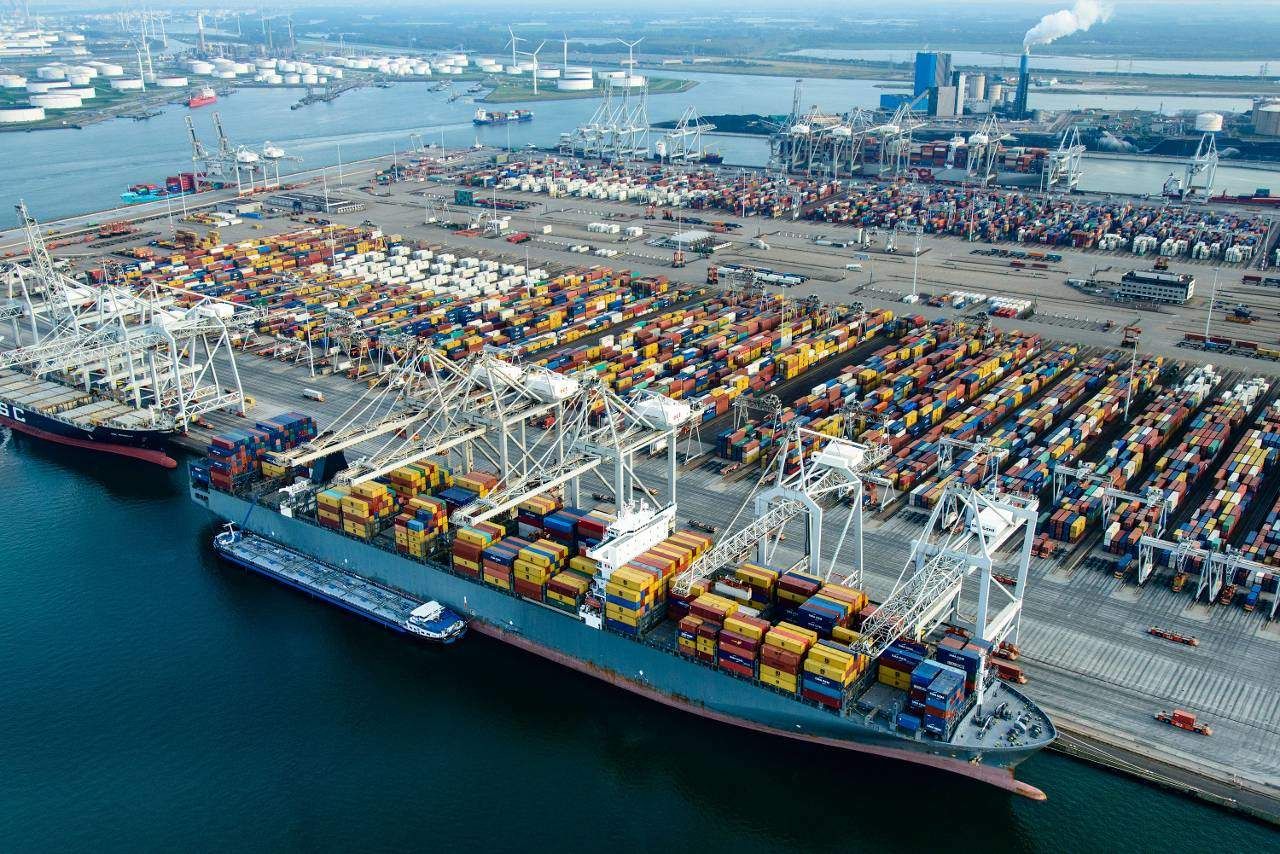
FNV Havens has announced that port workers will go on strike on Friday, September 4, 2026. The action is part of a broader nationwide strike campaign and may affect operations in Dutch seaports, including the Port of Rotterdam.
For companies importing or exporting goods via Dutch ports, it is advisable to take potential delays around this date into account. The extent of the impact is currently unclear and depends, among other things, on the level of participation and the duration of the actions.
Why is the strike taking place?
The announced strike is a protest against proposed cuts to social security, including unemployment benefits (WW) and disability benefits (WIA). Port workers are joining broader actions organized by the FNV.
At this moment, it is not yet clear which terminals, companies, and port activities will be affected exactly. Therefore, it is still too early to determine the precise consequences for individual cargo flows.
What can a port strike mean for the logistics chain?
Dutch seaports are vital links in international supply chains. Every day, large quantities of containers and other goods are unloaded, loaded, and further transported via road, rail, and inland shipping.
When operations in a port are temporarily suspended, the effects can be felt at multiple points throughout the logistics chain.
Possible consequences include:
- delays in loading and unloading vessels;
- longer waiting times at terminals;
- delays in picking up or delivering containers;
- shifts in scheduled departures and transports;
- increased congestion once operations resume.
The impact varies by terminal, carrier, and shipment type. Consequently, not every cargo flow will necessarily experience the same level of delay.
Delays may also occur after September 4
The potential consequences are not necessarily limited to the day of the strike itself. When terminals have reduced or no capacity available for a certain period, work can pile up.
Once activities resume, this backlog must be processed. As a result, waiting times and schedule changes may remain noticeable in the days following the strike.
For companies with time-critical goods or tight inventory schedules, it is therefore wise to look not only at September 4 itself, but also at shipments scheduled shortly before or after this date.
What can you do now?
Since the exact scope of the actions is not yet known, it is primarily important to keep following developments. Do you have ocean freight shipments arriving or departing around September 4? Check your schedule in time and take potential changes in terminal and transport activities into account.
By having insight beforehand into which shipments might be affected, there is more room to adjust planning where necessary.
Van der Helm Logistics is monitoring the developments regarding the announced port strike and the potential consequences for cargo flows through Dutch seaports.
Do you have questions about a scheduled shipment around September 4? Please contact your regular contact person at Van der Helm Logistics.