

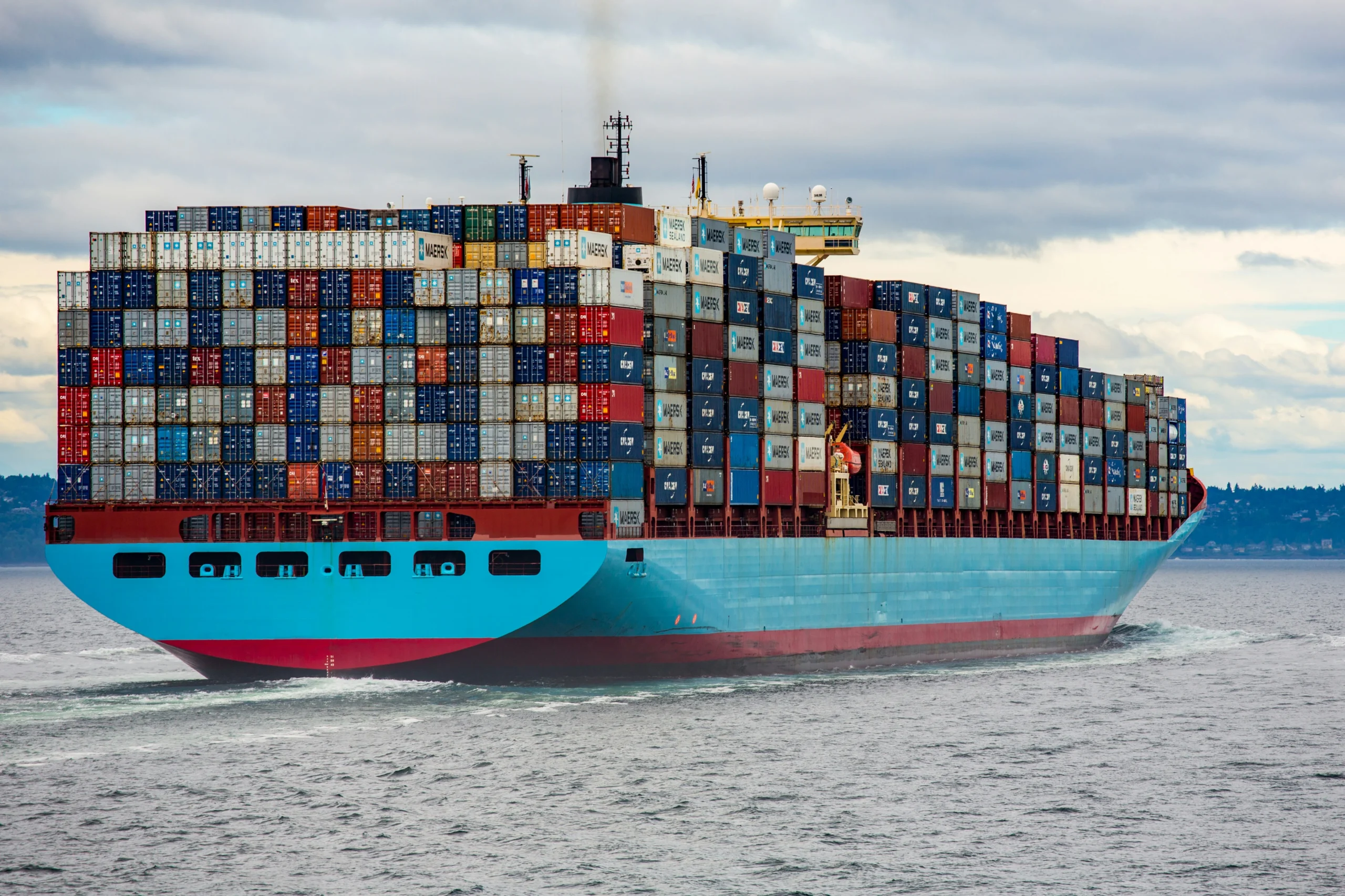
Ocean freight has always been about planning. But while you could once rely on predictable arrival times, that’s far from certain today. Congestion, rerouted vessels, and changing sailing schedules mean that as an importer or logistics manager, you seem to have less and less control over your supply chain.
However, there are definitely ways to address this. In this blog, we explain why ocean freight has become so volatile and how you can still anticipate it smartly.
Unpredictability is the New Normal
While you could previously rely fairly well on shipping line schedules, we now see arrival dates constantly shifting. Ships still operate on fixed routes, but due to geopolitical tensions and changing circumstances, nothing is certain anymore. Today a shipping line indicates a vessel will arrive in a week, tomorrow that suddenly becomes two weeks, and the day after that it might change again.
These shifts occur due to a combination of factors:
- Geopolitical unrest causing rerouting, for example via the Cape of Good Hope;
- Port congestion, causing vessels to experience delays in unloading or transit;
- Weather conditions impacting sailing schedules;
- Limited terminal capacity and delays in scheduling time slots.
What does this mean for your logistics? You can no longer rely on the date provided at booking. This requires a different approach to planning, communication, and collaboration.
The Chain Reaction of Delays
Once a vessel is delayed, a domino effect occurs throughout the rest of the chain. Terminals become congested, customs processes shift, unloading appointments are missed, and drivers come under pressure. Your internal processes also become unbalanced. Think about warehouse planning, order picking, and customer expectations that are no longer realistic.
A significant consequence of these disruptions is that ALL customers want to receive their goods simultaneously once the cargo becomes available. This creates peak activity throughout the entire chain: at terminals, with transporters, and in your warehouse. In such situations, maintaining error-free, timely, and efficient delivery becomes challenging.
Without proper preparation and collaboration, this leads to workplace stress, additional costs, and in the worst case, damage to customer relationships.
Why Accelerating at the End Isn’t the Solution
Some companies try to make adjustments at the last minute, for example by using express transport once the container finally becomes available. But what has accumulated in six to eight weeks of delay cannot be straightened out in the last two days of the journey.
The notion that the last mile can solve everything is persistent but unrealistic. Drivers, warehouses, and delivery locations aren’t set up for sudden peak loads without preparation. Moreover, this approach often leads to errors, miscommunication, and inefficiency, precisely when you need reliability the most.
A realistic and coordinated planning, based on current insights, is much more effective than ad-hoc acceleration at the last moment.
What You Can Do: Gain Control with the Right Partner
While you can’t control the sea, you can ensure control over the process. This starts with choosing a partner who understands what’s happening, communicates proactively, and puts your interests first.
At Van der Helm, we provide:
- Real-time insight into your shipment status, through our WMS and transport management system;
- Milestone tracking, so you know whether a shipment is on board, in transit, or being unloaded;
- Early detection of disruptions, allowing you to anticipate rather than react;
- A dedicated contact person, who knows you and understands the full context of your operation.
This approach helps you to keep your own organization and your customers well-informed, manage expectations, and maintain stability in your supply chain.
From Uncertainty to Overview
Ocean freight is more volatile than ever. However, this doesn’t mean you have to lose control. With the right partner, you gain visibility into what’s happening, where risks lie, and how to respond to them.
We’re here to help you move forward with realistic planning, open communication, and practical solutions. This way, your organization maintains control, even when the seas are rough.
Want to know how we can implement this for your business?
Get in contact with our team for a personal consultation.