

InPost focuses on parcel lockers: consumers increasingly opt for flexibility
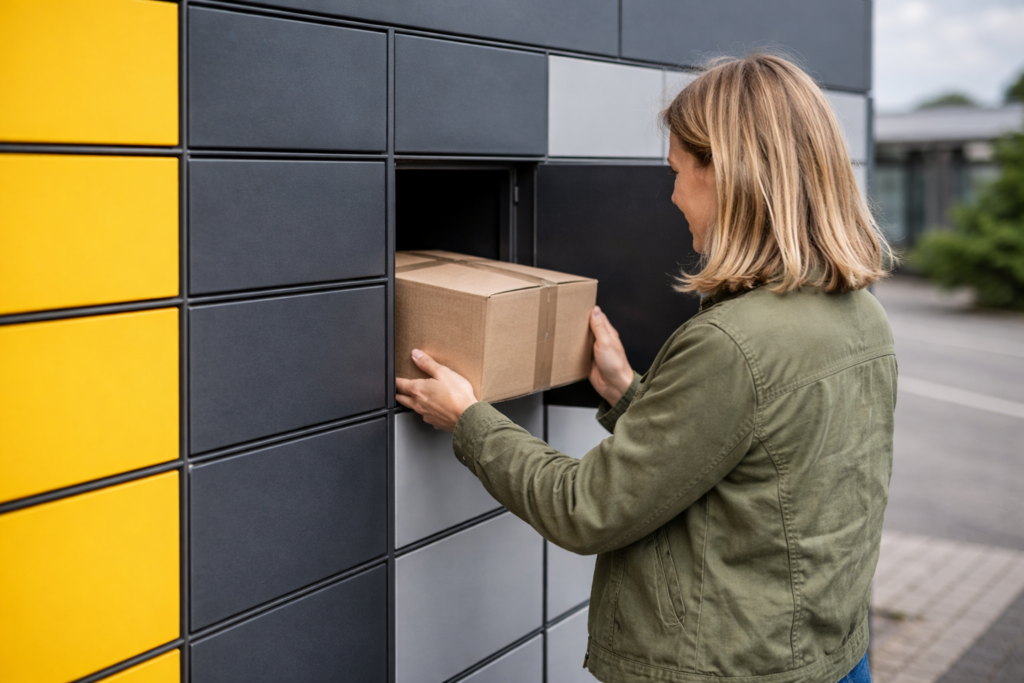
The way consumers receive and return packages is changing rapidly. Recent research from InPost shows that parcel locker logistics are increasingly preferred over traditional over-the-counter services. This demonstrates a clear shift in the logistics landscape, where convenience and accessibility are the key factors. At Van der Helm, we follow this trend closely, as it directly influences the design of last-mile logistics. This trend highlights the importance of parcel locker logistics in the modern consumer experience. Consumers consciously choose parcel locker logistics The research shows that parcel lockers not only contribute to convenience but also influence customer behavior. For instance, 78% of users indicate they make additional purchases in stores where lockers are present. Furthermore, 79% of customers choose a different location if lockers are removed. The perception of stores is also changing: 56% of consumers view locations that offer this service more positively. This shows that logistics solutions are increasingly becoming part of the overall customer experience. On average, customers also spend an extra £5.20 per visit when using a locker. As such, these solutions offer not only logistical advantages but also commercial opportunities. Consumers value the ability to collect their packages at a time and place of their choosing, which further increases the popularity of parcel locker logistics. Locker-first strategy with room for customization InPost clearly positions itself as a ‘locker-first’ organization and sees lockers as the future of out-of-home delivery. At the same time, the organization believes there remains room for traditional service points. Particularly in densely populated areas, where installing lockers is not always possible, over-the-counter services continue to play an important role. It is therefore expected that a hybrid model will remain the market standard. InPost’s goal is to offer customers maximum accessibility, with the ambition that more and more consumers will have access to a locker location within five minutes. Impact on retailers and logistical choices This change also offers opportunities for retailers to improve their customer service by offering flexible pickup options. The shift toward lockers also has consequences for retailers. The withdrawal of over-the-counter services at various stores shows that logistical choices are increasingly driven by data and changing customer behavior. For organizations, this means it is important to take a critical look at the design of their logistics network. Where are the opportunities to increase customer convenience? And how does your logistics align with today’s expectations? What does this mean for your logistics? The growth of parcel lockers requires a flexible and future-oriented approach. By cleverly responding to this development, you can optimize your logistics processes while simultaneously increasing customer satisfaction. At Van der Helm, we help you make this transition. Together, we look at your supply chain and advise on solutions that align with your goals and market developments.
GLS doubles out-of-home network in Europe
The demand for flexible delivery options is growing fast, and GLS is responding strongly. In just 24 months, GLS has expanded its European out-of-home network from 70,000 to 130,000 pick-up and drop-off points. This positions the organization as one of the fastest-growing players in last-mile delivery within Europe. For you as a shipper or e-commerce party, this means one thing: the way your customers receive their shipments is changing at a rapid pace. Strong growth in OOH deliveries More and more consumers are choosing to receive their parcels at a pick-up point or via a locker. Currently, nearly 29 percent of all GLS B2C shipments are delivered or collected via out-of-home locations. Compared to the end of 2024, these volumes have even more than doubled. Growth is particularly strong in countries such as Germany, Italy, the Czech Republic, and Poland. In some markets, the increase even exceeds 100 percent. During peak periods, such as the holidays, volume increased by a further 43 percent compared to the previous year. This development shows that flexibility and freedom of choice for the end customer are becoming increasingly important. Focus on quality and reach GLS is not just focusing on expansion, but specifically on building a high-quality network. The network now consists of: This combination creates a high-density network that fits perfectly into consumers’ daily lives. Think of locations close to residential areas, shopping districts, and transport hubs. At the same time, home delivery remains an important part of the service, featuring real-time tracking and flexible delivery options. Ambition towards 2030 GLS has clear plans for the future. The organization aims to grow to 30,000 of its own parcel lockers in Europe by 2030. This should contribute to an even more accessible and efficient network. Collaborations play an important role in this. In various countries, including the Netherlands, Germany, and Italy, GLS works with local partners to expand the network faster and smarter. What does this mean for your logistics? The growth of out-of-home delivery is changing your customers’ expectations. Fast delivery remains important, but flexibility is increasingly becoming the deciding factor. By making smart use of OOH solutions, you can: At Van der Helm Logistics, we work with you to see how these developments fit within your supply chain. Whether it concerns fulfilment, distribution, or last-mile optimization, we provide a solution that aligns with your growth plans. Want to know how we make your logistics future-proof? View our solutions and discover what we can do for you.
International logistics disrupted by escalation in Middle East
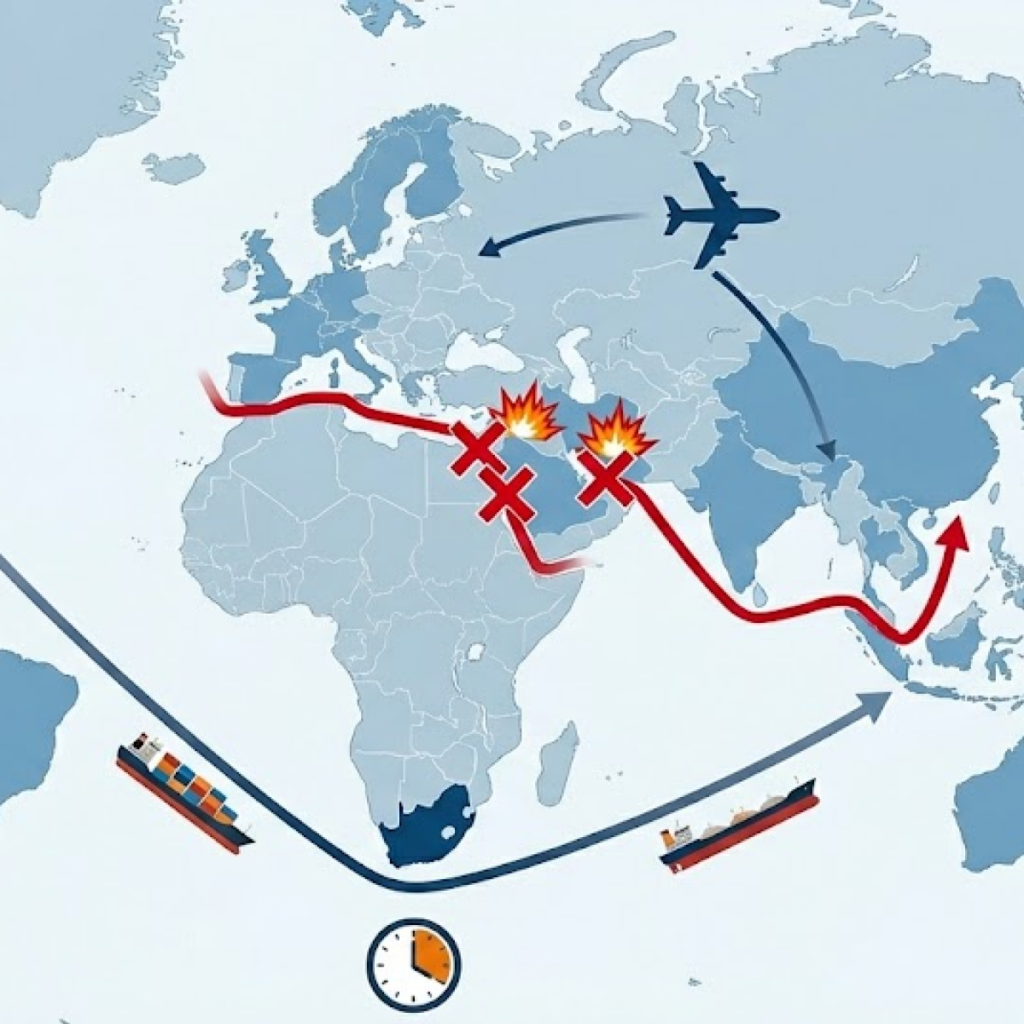
International logistics is currently under pressure due to exceptional geopolitical developments in the Middle East. This situation has direct consequences for both sea and air freight and may affect transit times, capacity, and costs within the global supply chain. On February 28, 2026, the situation in the Middle East escalated following military actions between the United States, Israel, and Iran. As a result, major sea routes and airspace corridors in the region have been disrupted, leading to significant challenges for international transport flows. Van der Helm is monitoring developments closely and is informing customers about the potential impact on their shipments. Impact on maritime transport Strait of Hormuz Maritime traffic through the Strait of Hormuz has currently come to a virtual standstill. Several container shipping lines have suspended all transits for security reasons. As a result, ports in countries including the following are temporarily difficult or impossible to reach via usual maritime routes: UAE (Jebel Ali, Abu Dhabi), Qatar (Hamad), Saudi Arabia (Dammam, Jubail), Kuwait, Bahrain, Oman, and Iraq (Umm Qasr). Red Sea and Suez Canal Due to renewed attacks on shipping in the Red Sea, shipping lines are once again avoiding the Suez Canal. Vessels are being diverted via the Cape of Good Hope, leading to longer transit times, pressure on available capacity, and higher operational costs. In addition to the direct impact on maritime trade routes, we expect further disruptions in the coming period due to various factors. These include the withdrawal of maritime insurers for war risks in this region, an imbalance in available vessel capacity and containers, disruptions to sailing schedules, and longer routes due to diversions around the Cape of Good Hope. Furthermore, rising oil prices are leading to higher fuel consumption and increasing transport costs. Decisions by shipping lines Various carriers have now taken measures. These measures include the temporary suspension of calls to certain ports, End of Voyage declarations, the diversion of ships to safe ports, and the introduction of war, risk, and emergency surcharges. These developments may have consequences for shipments to or via the Middle East. Possible effects include longer transit times, waiting times in ports, changes to discharge ports, container shortages, congestion in regional hubs, and additional costs passed on by shipping lines. Impact on air freight The consequences are also clearly visible within the air freight sector. In the past week alone, more than 6,700 delays and thousands of cancellations have been reported directly related to military activities in the region. Major hubs in the Gulf region, such as Dubai, Doha, and Abu Dhabi, normally play a crucial role in global air freight connectivity. Now that the airspace over Iran and surrounding areas is considered unsafe, airlines are being forced to reroute flights via northern or southern corridors. These diversions lead to longer flight paths and higher operational costs. At the same time, fuel costs are rising and several airlines have withdrawn BSA agreements. A number of Gulf carriers have also temporarily reduced or suspended their operations. The combination of reduced capacity, longer routes, higher fuel costs, and a greater reliance on the spot market is currently creating clear upward pressure on air freight rates. Transit times may also increase, and capacity availability may be more limited than usual in the short term. Contractual situation Van der Helm acts as a freight forwarder in accordance with the Dutch Forwarding Conditions. Article 12 describes the forwarder’s obligations in the event of force majeure. In the event of force majeure, obligations are suspended for the duration of the situation. Any additional costs arising from this, such as transport costs, storage costs, warehouse or site rent, demurrage, insurance, unloading, and other related costs, shall be borne by the client. Van der Helm as your logistics partner Van der Helm continues to monitor the situation closely and seeks alternative logistics solutions where possible. In doing so, we actively defend our customers’ interests in consultation with carriers and other parties involved in the supply chain. The current situation can change rapidly. Routes, rates, and schedules may therefore be adjusted at short notice. We will, of course, keep customers informed of relevant developments regarding their shipments. Do you have questions about specific shipments or would you like to explore alternative logistics solutions together? Please feel free to contact our team. Together, we will find the most appropriate solution under the current circumstances.
Driving Bans on Good Friday and Easter in Europe
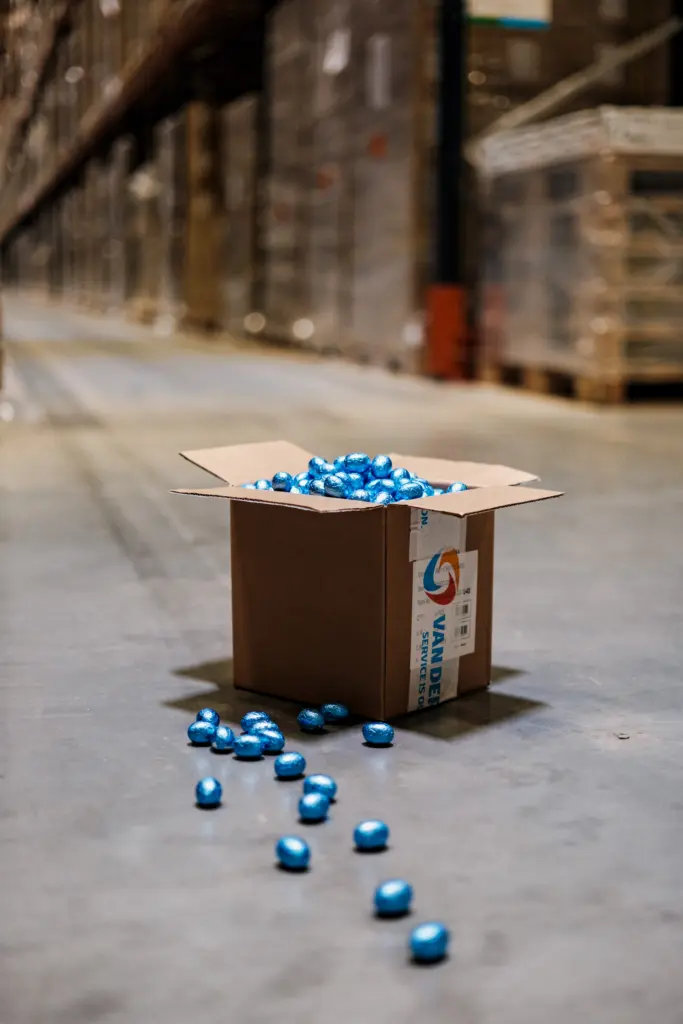
Around Easter, driving bans for freight traffic apply in several European countries. These rules are intended to limit traffic during public holidays and increase road safety. For companies dependent on international transport, it is important to take this into account in a timely manner. Good Friday and Easter Monday are official public holidays in many countries. In a number of countries, this also means that trucks are temporarily prohibited from driving on certain roads or at specific times. At Van der Helm Logistics, we always take these types of regulations into account during international transport planning. This ensures that your shipments continue to run as efficiently as possible, even around the holidays. Driving Bans on Good Friday On Good Friday (April 3), a driving ban for freight traffic applies in various European countries. This means that trucks are not allowed to drive during certain hours. The countries where a driving ban applies on this day are: It is important to know that Good Friday is also a public holiday in other countries. However, a driving ban for trucks does not always apply in those countries. Driving Bans on Easter Monday Easter Monday (April 6) is also a public holiday in many European countries. In several countries, this is accompanied by a driving ban for freight traffic. The countries where a driving ban applies on Easter Monday are: In addition, the weekend driving ban often applies prior to Easter Monday, which can restrict freight traffic even earlier. Why Driving Bans are Important for Transport Planning For companies transporting goods internationally, driving bans can have direct consequences for delivery times and routes. When trucks are temporarily prohibited from driving, this can cause delays if the planning does not take this into account. By knowing in advance where and when driving bans apply, you can: Good preparation helps to keep supply chains running smoothly, even during busy periods such as public holidays. Smart Planning Around European Driving Bans In international transport, insight into local regulations is essential. Driving bans vary by country and sometimes even by region. Logistics partners with experience in European transport networks can help to optimally plan routes, departure times, and delivery moments. This ensures that goods flows remain reliable, even when driving bans or holidays play a role. Want to learn more about how Van der Helm can support your international transport? Please contact us.
Air and Ocean Freight Market Update: Impact of the Middle East on the Supply Chain
Geopolitical tensions in the Middle East are having a direct impact on the international air and sea freight market. You are likely already noticing this through rising rates, limited capacity, or longer transit times. In this update, we clearly explain what is happening, what you can expect, and the best steps to take now. Air Freight: Capacity under pressure India & Southeast Asia Several Gulf carriers, including Emirates, Qatar Airways, and Etihad, have suspended their flights until further notice. What does this mean for you? Carriers that are still operating are facing network constraints. As a result, you are already seeing clear rate increases — and this pressure is expected to continue for the time being. China No flight cancellations have been announced for air freight from China at this time. However, this remains a dynamic situation. We monitor this daily to ensure you are not faced with any surprises. What we do for you For your current shipments, we provide: Our goal is simple: to get your goods to Amsterdam (Europe) as quickly and reliably as possible, with minimal cost impact. Ocean Freight: Additional pressure on rates and schedules Many shipping lines were already avoiding the Suez Canal. Due to current developments, we expect further diversions and disruptions. What should you take into account? Additional factor: Strait of Hormuz A large portion of global oil trade passes through the Strait of Hormuz. If restrictions persist there, oil prices and bunker fuel costs could rise. This could once again affect: What does this mean specifically for your planning? You may experience: This requires forward thinking. What is the best thing you can do now? To maintain control over your supply chain, we advise: ✔ Share your forecast for the next 2–4 weeks✔ Build in extra buffer time for urgent shipments✔ Consider alternative routings✔ Book capacity well in advance✔ Check your insurance for war risk coverage Planning ahead now prevents emergency measures later. We will continue to monitor this for you At Van der Helm Logistics, we monitor the situation daily. Thanks to our forwarding, customs, and warehousing expertise, we offer end-to-end solutions that take the burden off your organization. With our own warehouses, transport resources, and an in-house customs team, we maintain control over the process. That makes the difference when markets are under pressure. As soon as a development has a direct impact on your shipments, you will hear from us immediately. Do you have questions about a specific shipment or would you like to look ahead to the coming weeks together? Please feel free to contact your regular contact person at Van der Helm.
EU imports of low-cost parcels rise by 26 percent: what does this mean for your logistics?
Imports of low-cost parcels into the European Union rose by 26 percent in 2025. This primarily concerns small e-commerce shipments with a low goods value sent directly from non-EU countries to European consumers. This strong volume growth is putting pressure on customs processes, air freight capacity, and last-mile distribution. At the same time, the European Commission is working on additional measures, including a fixed fee per parcel. This has direct consequences for webshops, brands, and logistics organizations. Millions of small shipments heading to Europe International e-commerce platforms ship millions of small parcels to European consumers every day. Due to competitive product prices and low shipping costs, these volumes continue to increase. The 26 percent rise highlights how rapidly this segment is growing. For the logistics chain, this means an increase in administrative processing, more pressure on hubs and distribution networks, and more complex return flows. As a result, European webshops are operating in an increasingly competitive landscape where speed, cost control, and reliability make the difference. New fixed fee per parcel in preparation To better regulate the growth of low-value parcels, the European Commission has presented plans for a fixed fee of 2 euros per parcel on small shipments from outside the EU. With this measure, the EU aims to cover the costs of additional customs checks and ensure a fairer competitive position between European and non-European providers. The fee aligns with previous policy changes, such as the abolition of the VAT exemption for low-value shipments. For international e-commerce players, this could lead to higher costs per order and a reconsideration of their distribution model towards Europe. What does this mean for your logistics strategy? The combination of volume growth and new regulations calls for a future-proof supply chain. By positioning inventory closer to your end customer, you shorten delivery times and increase control over quality and return flows. At Van der Helm Logistics, we support e-commerce companies with scalable fulfillment solutions and automated storage via our Adapto system. This allows you to process large volumes efficiently and maintain real-time insight into your operation. Read more about our e-fulfillment solutions. We are closely monitoring developments regarding EU imports of low-cost parcels and the fixed fee per parcel. This allows us to inform you in a timely manner and determine together what this means for your logistics.
Construction begins on new Van der Helm Logistics distribution center at Schiphol Trade Park

New sustainable distribution center at Schiphol Trade Park strengthens Van der Helm Logistics’ cross-docking operations. Completion scheduled for 2027.
France introduces tax on small import parcels: what does this mean for consumers and e-commerce?
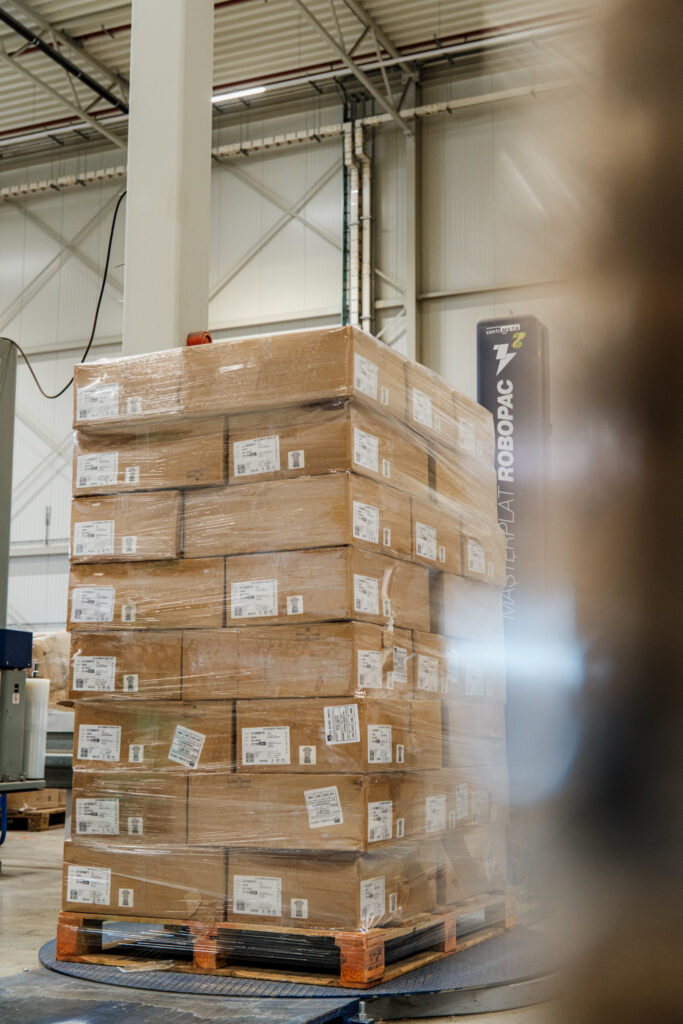
French Customs has provided clarity on the introduction of a new tax on small packages to be included in the French financial budget law for 2026. This measure, officially referred to as the “taxe sur les petits colis,” will take effect on March 1, 2026, and aims to gain more control over the massive influx of cheap import shipments from countries outside the European Union. What does the new tax entail? The new French regulation targets low-value goods, under €150, shipped to France from countries outside the EU. Unlike regular import duties and VAT, this tax is specifically intended for shipments falling under the H7 simplified customs declaration scheme. The tax applies per item in the package, with a rate of approximately €2 per item. The rate is levied at the time of import, and the taxable party is the party that also bears the VAT obligation under the H7 declaration. The measure applies to all import flows from non-EU countries to France, including B2B, B2C, and C2C shipments. Exceptions apply to shipments within some EU territories and certain overseas territories such as Mayotte and French Guiana. European context: uniform rates from July At the same time, European Union member states have agreed on new customs rules for small import parcels applicable throughout the EU. From July 1, 2026, the exemption from import duties for packages with a value under €150 will be abolished. Until a modern European customs system is fully operational, a temporary fixed customs duty of €3 per item category will be applied to small packages sent directly to consumers in the EU. In practice, this means that a package containing several different items could cost more than €3 in import duties, as each different product is taxed separately. Why these changes? The new tax and the European measure are a response to the strong growth of cheap online purchases from countries outside the EU, which lead to billions of small shipments per year. Until now, these shipments were often exempt from import duties. According to European authorities, this creates unfair competition for European sellers and puts extra pressure on customs controls. What does this mean for consumers and webshops? Consumers ordering online from sellers outside the EU can expect additional costs upon receipt of their package. The new tax is in addition to existing import duties and VAT. For webshops and logistics service providers, this means processes must be adapted to correctly apply the new rules and to communicate transparently about additional costs to customers. Clear information in advance prevents surprises upon delivery and contributes to a better customer experience. What Does this Mean for your Supply Chain? International regulations are changing rapidly. For companies active in e-commerce or international trade, it is essential to translate these developments into their logistics processes and cost structures in a timely manner. At Van der Helm Logistics, we follow these types of changes closely. Our customs specialists and supply chain experts continuously analyze what new laws and regulations mean for your import flows, lead times, and costs. This way, we ensure you are not faced with surprises but maintain control over your international logistics. Would you like to know what this measure means specifically for your shipments to or via France? Our specialists would be happy to help you.
February Newsupdate: EU-India Free Trade Agreement, Dutch Handling Fee, CBAM and more.

Dear partner, While February is traditionally a quieter month in logistics due to the Chinese New Year, the market is far from standing still. In fact, several regulatory and structural developments are quietly reshaping international e-commerce and supply chains and the impact will be felt sooner than many expect. Below, we highlight the developments that deserve your attention now, not later. EU–India Free Trade Agreement: a strategic shift in global sourcing At the end of January, the European Union and India concluded negotiations on a Free Trade Agreement (FTA, subject to final ratification). Once in force, this agreement will significantly reduce or eliminate tariffs on the majority of goods traded between the EU and India. According to the European Commission, tariffs will be phased out on: This agreement is widely seen as a strategic move by the EU to diversify trade flows and reduce dependency on traditional markets. What we already see in the market: While reduced tariffs create new opportunities, they also introduce additional complexity. Preferential trade agreements require correct documentation and origin validation to benefit from tariff reductions. For companies active in sourcing, manufacturing or retail, this agreement is another signal that now is the time to review supply chain structures, not when changes are already enforced. Regulatory pressure on e-commerce is increasing After months of uncertainty, the proposed national Dutch handling fee for e-commerce shipments has been postponed. This provides short-term relief for platforms and brand owners. However, the bigger picture is clear: As of July 2026, the European Union will introduce a €3 customs duty per item on low-value e-commerce shipments (< €150), applied across all EU member states. This is part of a broader EU strategy to: The direction is unmistakable: cross-border e-commerce will become more regulated, more structured and less tolerant of “grey areas”. Strategic shift: from cross-border to EU-based fulfilment Across the market, we see consumer brands reassessing their operating models. Where shipping directly from outside the EU was once the default, many brands are now actively exploring alternatives such as: This shift is driven by more than regulation alone. Brands are also responding to: In many cases, moving fulfilment into the EU not only improves compliance, but also results in shorter lead times, more predictable costs and higher customer satisfaction. CBAM is live and still underestimated The Carbon Border Adjustment Mechanism (CBAM) is now officially in force. Despite this, we continue to see that many importers of CBAM-relevant goods are not yet fully prepared. Common challenges include: Waiting until enforcement tightens is a risk. Early preparation allows you to maintain control over costs and avoid operational disruption later in the year. We would be happy to inform you further in a short demo call. Operational context: what we see in the market And yes, the days are getting longer again 😊 A moment to reassess Many of the changes mentioned above do not cause immediate disruption — until suddenly they do. The companies that benefit most are those that reassess their setup before pressure turns into urgency. If you are currently evaluating: We would be happy to exchange thoughts and explore practical solutions together.
EU–India Trade Agreement: Impact on Supply Chains, Customs, and Sourcing
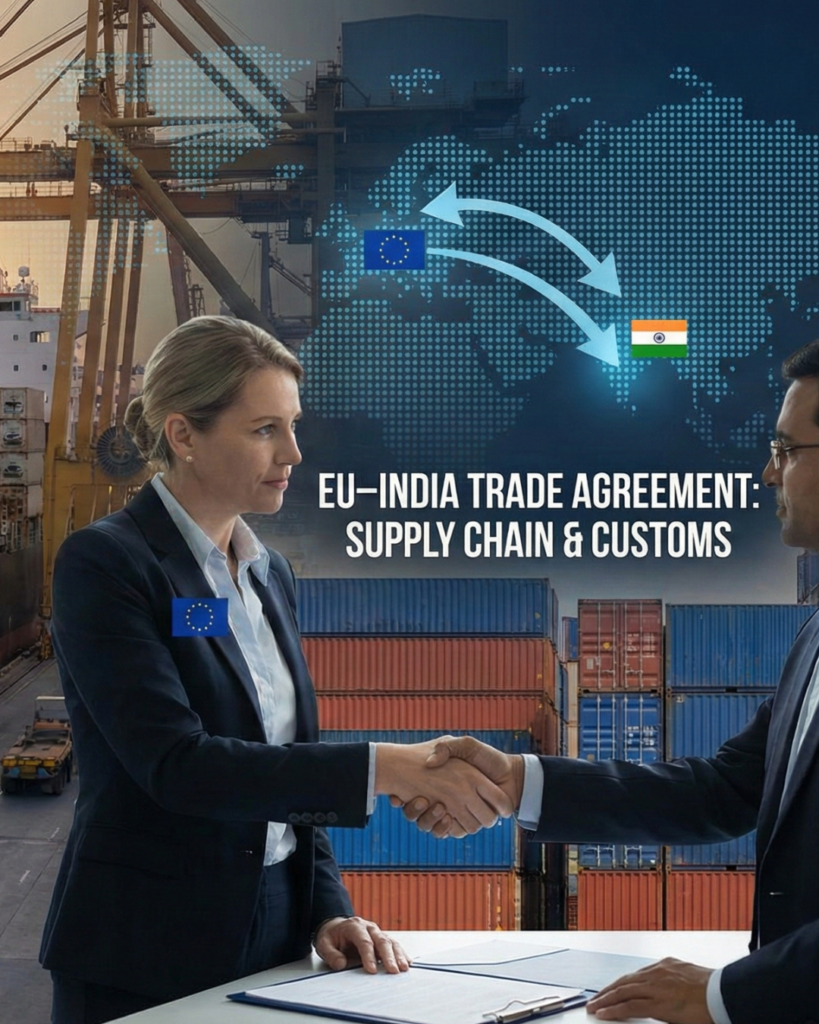
What does the EU–India Trade Agreement mean for import duties, customs, and supply chains? Read about the implications for sourcing and compliance.