

Extra control at Maasvlakte strengthens security in container logistics
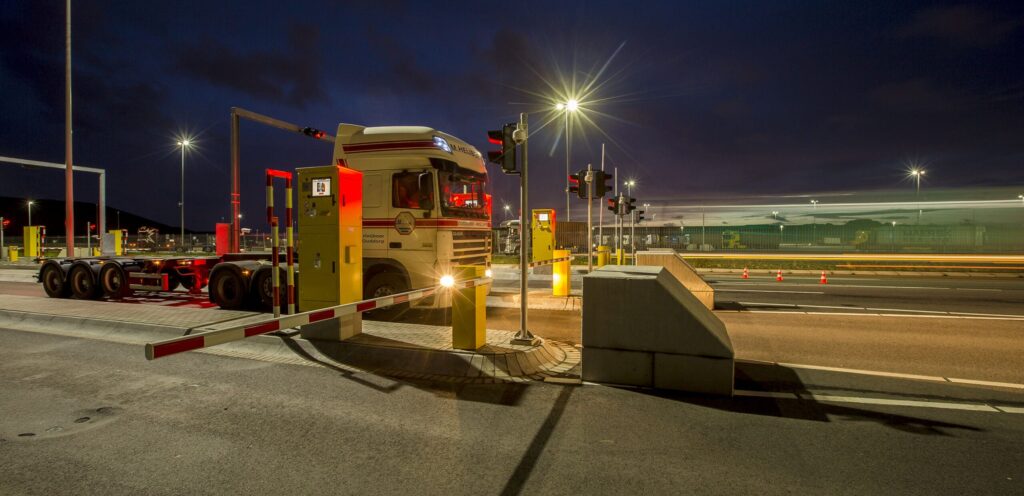
From now on, all deepsea terminals at the Maasvlakte will automatically check whether the right driver reports to the terminal. This new security step helps prevent abuses when containers are picked up and makes container logistics even more reliable. A development that we at Van der Helm wholeheartedly support. Security all the way to the gate Verification is done on the basis of the executive carrier, or driver who actually picks up the container. His or her unique EAN number, which is linked to the personal CargoCard, is automatically compared with the data from the pre-notification in Portbase’s Port Community System. Only if these data match, will the driver gain access to the terminal. With this step, physical transport will be even better protected against fraud. Indeed, since the beginning of 2025, deepsea shipping companies no longer work with pin codes, but pass on the pick-up right digitally via the so-called Chain of Trust. The additional check is the final link in this digital security. Full coverage on the Maasvlakte All deep sea terminals on the Maasvlakte are now connected to this control. They are ECT Delta Terminal, ECT Euromax Terminal, Hutchison Ports Delta II, RWG and APM Terminals Maasvlakte II. These terminals see gate control as a natural part of a safe chain. At Van der Helm, we are committed to safe, reliable and transparent logistics every day. That starts with smart planning and ends with accurate delivery. Developments such as these, which contribute to safety and control, are fully in line with our way of working. The power of collaboration The executive carrier audit is part of the Chain of Trust, a joint initiative of shipping companies, terminals, carriers, governments and other chain partners. Together they ensure a resilient and future-oriented port logistics. Want to learn more about how we organize your container flows safely and efficiently? Check out our container transport services.
How does tax representation for foreign companies in the Netherlands work?
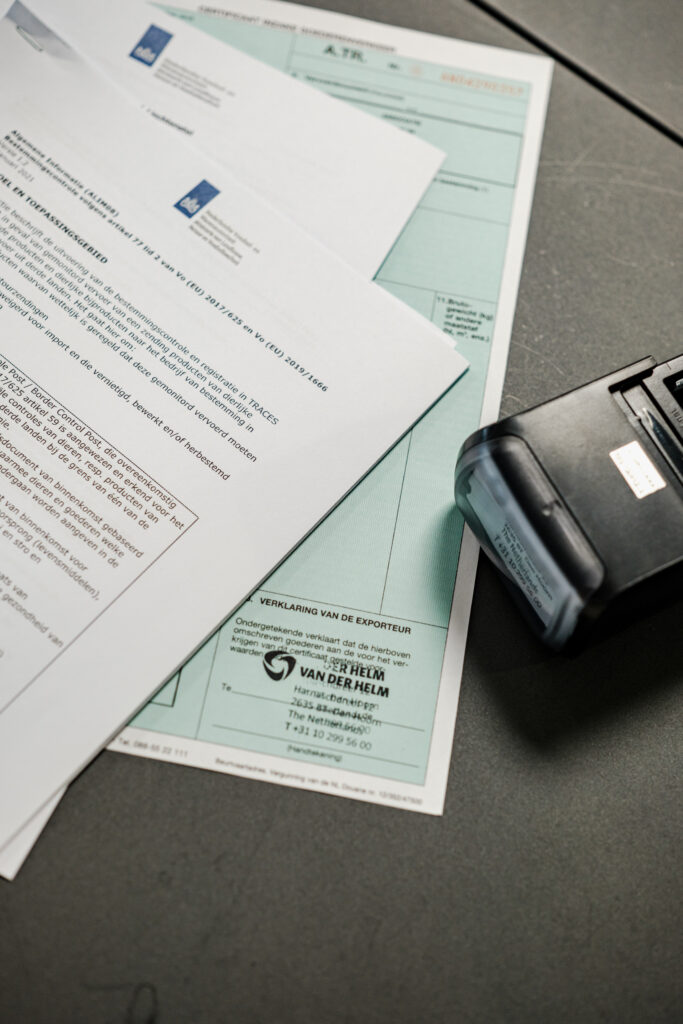
Importing goods into the Netherlands as a foreign company can be complex. Think of VAT rules, customs procedures and administrative obligations. Yet many international companies choose precisely the Netherlands as their logistics hub. Why? Because fiscal representation allows you to import more efficiently, without having to pay VAT immediately. At Van der Helm we assist foreign companies that want to make use of this arrangement. In this blog you will read what exactly tax representation entails, the benefits it offers and how we take this process off your hands. What is fiscal representation? Fiscal representation means that a company based in the Netherlands assumes VAT obligations on behalf of a foreign company. The representative files returns, processes import transactions and makes sure everything is done according to Dutch regulations. There are two forms: Van der Helm Acts as a limited tax representative. This allows non-resident companies to import their goods without paying VAT directly. This improves your cash flow and simplifies the process. How does it work in practice? When importing goods into the Netherlands, import duties and VAT are normally due. Without fiscal representation, you must remit that VAT immediately upon importation. With Van der Helm as your representative, that obligation is deferred and handled through us. We file the VAT return based on your sales and delivery information. For this we use our own VAT number, with corresponding responsibility. The records are kept according to the requirements of the Dutch tax authorities, including supporting documents such as invoices and delivery receipts. The result? You can focus on your international growth, without worrying about complicated VAT processes. What are the benefits? The scheme offers significant financial and administrative benefits: – No direct VAT payment upon importation– Improved cash flow thanks to deferred payment– No requirement for a Dutch VAT number– Less administrative burden and a single point of contact– Smooth flow through customs– Suitable for e-commerce, wholesale and manufacturing companies At Van der Helm, we ensure error-free handling and check in advance that all required documentation is complete and correct. This way you avoid delays, fines and unnecessary costs. What are the requirements? Not every business automatically qualifies for tax representation. You must be able to demonstrate that: – You are based outside the Netherlands– You regularly import goods into the Netherlands– You are able to provide the required documents on time and in full– You provide authorization to your representative (power of attorney) At Van der Helm, we take you through this process step by step. Our team assesses whether you meet the requirements, arranges the necessary registration and handles communication with customs and tax authorities. Van der Helm as your fiscal representative With years of experience in customs clearance and fiscal representation, we know exactly what is needed to bring your goods into the Netherlands without any problems. We combine legal knowledge with practical logistics support and digital tools for real-time insight. If you work with Van der Helm, you can count on: – Proactive guidance every step of the way– Fast communication with customs and tax authorities– Transparency in your VAT return– One point of contact for all your questions– A solid foundation for international growth Wondering how we support your business with tax representation? Check out our approach on our customs clearance page .
Please allow for traffic disruption due to NATO summit on June 17
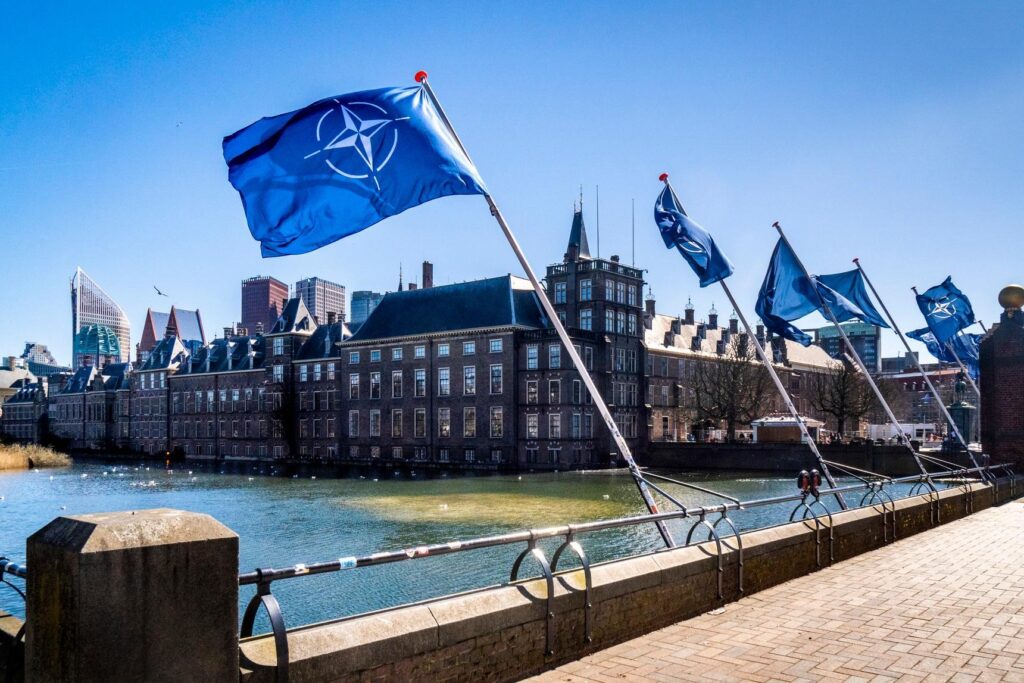
On Monday, June 17, the Netherlands will host the NATO Summit. A large-scale international event with impact on traffic in a large part of the Randstad. Rijkswaterstaat expects serious traffic disruption due to road closures and extra safety measures. Do you have transportation planned on or around that day? Then take into account delays on the A4, A12 and A44, among others. Fortunately, you can rely on us to do everything we can to make sure your logistics run smoothly. What does this mean for traffic? Around the NATO summit, highways will be temporarily closed and official vehicles will be given priority. Disruption is greatest between 8 a.m. and 10 p.m. Traffic jams may occur unexpectedly and last longer than normal. It is expected that especially the regions of The Hague, Amsterdam, Utrecht and Schiphol will face extra traffic. Main causes: What can you as a customer do? To avoid unnecessary delays, we recommend coordinating transportation needs around June 17 with us in a timely manner. Together we will consider the smartest solution, for example by: Let us know if you have specific needs, and we’ll tailor our schedule directly to them. You plan, we switch At Van der Helm, we are closely following all the updates surrounding the NATO summit. Our planners and drivers are prepared, we keep in touch with the road in real time and adjust routes and time slots immediately as needed. This way we make sure that your shipments, despite the circumstances, are delivered just as you have come to expect from us. Do you have questions about scheduled shipments or want to change something? Then please contact us. We are happy to think with you.
House agrees to amend truck levy law
On Tuesday, April 1, 2025, the House of Representatives approved an amendment to the Truck Levy Act. The amendment is necessary because of new European rules and is an important step towards a more sustainable and fairer road network for heavy traffic. For Van der Helm and the entire transport sector, this means looking ahead and preparing. Why this change is needed now Although the truck levy law was already passed in 2022, its introduction is not planned until the summer of 2026. In the meantime, European rules have changed, obliging the Netherlands to adapt its legislation accordingly. With this amendment, our national law will soon be in line with the revised Eurovignette Directive. The amended law introduces, among other things: Attention is also paid to possible diversion of truck traffic to smaller roads. Monitoring of this is done in cooperation with road authorities. What does this mean for Van der Helm and our customers The arrival of a CO₂ component makes it clear that sustainability is playing an increasingly important role in transport policy. At Van der Helm we have long been working on more efficient and cleaner transport, for example by using alternative fuels, optimizing routes and smart bundling of loads. The exemptions for zero-emission vehicles and the recoupment scheme offer prospects for further sustainability. At the same time, we are keeping a close eye on implementation and final costs. Proceedings of the debate in the House The debate on March 26 showed that a parliamentary majority favored the change. NSC, GroenLinks-PvdA, VVD and D66 voted in favor. PVV and BBB were critical. The PVV submitted a motion about the risk of freight traffic swerve onto provincial roads, but according to Minister Madlener, monitoring is already in place for this. There were also questions about implementation costs, charging infrastructure and the use of extra-long trucks. The minister made commitments on several points. We’ll keep you posted At Van der Helm we closely follow the developments surrounding this law. We continue to invest in future-proof logistics and like to think along with you about what these changes mean for your transport. Want to learn more about the impact of the truck levy on your shipments or look at sustainable alternatives together? Feel free to contact us.
No more fraudulent PINs for import containers via Rotterdam

A major step forward in container logistics security. From now on, all intercontinental import containers entering through Rotterdam will be processed through the Chain of Trust. This means that shipping companies no longer use PIN codes to release containers. Cargo from the Far East and Oceania, among others, is now also covered by this secure working method. What changes Until recently, PINs were shared by e-mail with various parties in the chain. That system was susceptible to fraud and required a lot of manual work. The Chain of Trust replaces this with a digital transfer of collection rights. Only authorized parties such as the designated carrier are allowed to pick up a container at the terminal. This mode of operation is now mandatory for all intercontinental container shipments. Major shipping lines such as Maersk, MSC, CMA CGM and Hapag-Lloyd are affiliated, as are more than two thousand forwarders and one thousand carriers. What does this mean for Van der Helm and our customers At Van der Helm, we make sure your container is picked up and delivered safely, on time and without worry. This new working method fits perfectly with that. As an authorized carrier within the Chain of Trust, we are authorized to pick up containers directly and securely without the need for PIN codes or additional communication. For you as a customer, this means less risk of errors or misuse, and more control over the entire logistics process. You keep one point of contact, while we work behind the scenes within a highly secure system. Why this is good news for the industry The Chain of Trust is the result of close cooperation between shipping companies, terminals, carriers and government parties. More than a million containers have since been exempted in this way. It provides: For us as a logistics provider, this means we can make our services even more reliable, with more focus on safety and customer convenience. Building a safe supply chain together Van der Helm believes in logistics that is right down to every detail. The expansion of the Chain of Trust underscores the importance of clear agreements, smart systems and reliable partners. We continue to build a safe and future-proof logistics chain, together with you. Do you have questions about the new way of working or how we can organize your container transport safely and efficiently? Feel free to contact us.
Resumption of shipping through Suez Canal after armistice
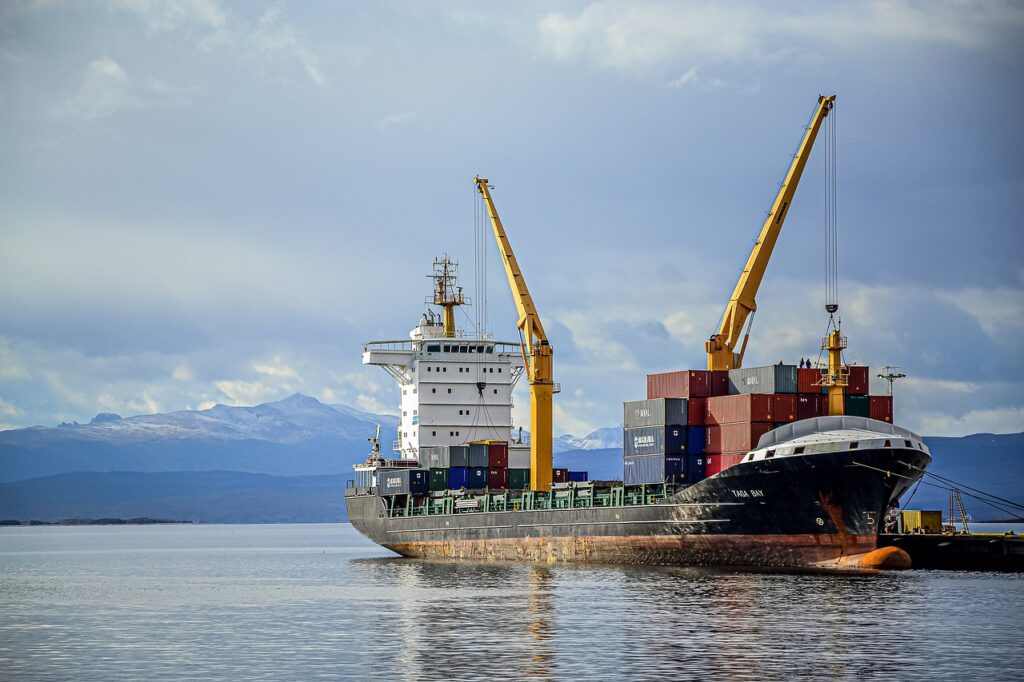
Since the declaration of the ceasefire between Israel and Hamas, more and more ships are once again sailing via the Suez Canal. According to the Suez Canal Authority (SCA), at least 47 ships that had previously planned to sail via the Cape of Good Hope have still opted for the shorter route via the Suez Canal. The increase in shipping traffic through the canal comes after months of disruptions caused by attacks by Houthi rebels in the Red Sea. Many shipping companies diverted to a longer route around Africa to avoid the risks. Now that the rebels have announced the cessation of their attacks, confidence in the safety of the route through the Suez Canal seems to be slowly recovering. Cautious return, further growth expected Although some shipping companies, such as Maersk, are still opting for the route through Africa, the SCA expects shipping traffic through the canal to gradually normalize. According to top executive Osama Rabie, the situation will be largely restored by the end of March, with a full recovery by mid-year, provided the ceasefire in Gaza holds. Implications for the logistics industry The temporary disruption of shipping routes had a significant impact on transit times and logistics costs. Now that the situation is stabilizing, companies can benefit from shorter transit times and lower transportation costs. At Van der Helm, we closely follow developments in global shipping. We advise clients on the most efficient transport routes and help companies make their supply chains run as smoothly as possible. Want to know how these changes will affect your logistics? Contact us for strategic advice.
Container volumes in Rotterdam are growing again: what does this mean for the logistics sector?

After three years of contraction, the Port of Rotterdam is showing growth in container handling again. In 2024, the volume increased by 2.8%. A cautious recovery, but an important development for the logistics sector. The increase is largely due to increased demand for consumer goods and food. At the same time, major challenges remain, such as geopolitical tensions, disruptions in supply chains and the need for further digitalization and sustainability. What does this growth mean for companies dependent on Rotterdam as a logistics hub? Recovery after years of disruptions In recent years, the container market has been under pressure due to several factors. The war in Ukraine directly affected the port of Rotterdam, because before 2022, some 8% of container traffic was still Russia-related. That trade has largely disappeared, so the port has had to adapt to changing cargo flows. In addition, high energy prices and decreased purchasing power in Europe caused a drop in demand for goods. Recent growth shows that the market is beginning to stabilize. Shippers and shipping companies have adapted to the new reality and trade routes have been rearranged. Still, the situation remains fragile, with geopolitical uncertainties and disruptions in the global supply chain that could inhibit rapid further growth. Capacity expansion: room for growth? To accommodate future growth, significant investments are being made in capacity expansion. The construction of the Princess Amaliahaven is an important step and should eventually increase container handling capacity by 4 million TEUs. This gives companies more room to run their logistics operations through Rotterdam, but it also raises questions about how quickly this additional capacity will actually be utilized. In addition to physical expansion, the focus is on smarter logistics. Digitalization and automation are playing an increasing role in more efficient container handling. Rotterdam is investing in data-driven solutions to reduce waiting times and improve throughput, something that can benefit shippers and logistics service providers in the long run. Sustainability and efficiency as focal points The logistics sector is under pressure to be more efficient and sustainable. CO₂ emissions from shipping and transport are a major concern, and ports such as Rotterdam are increasingly being urged to take responsibility in this regard. Investments in shore power, cleaner fuels and optimization of logistics processes are necessary steps towards a more sustainable future. For companies, this means that sustainable logistics choices are increasingly becoming the norm. Shippers who are already committed to more efficient transportation and cooperation with logistics partners who value sustainability can better prepare for future regulations and market demands. What does this mean for businesses? The rise in container volumes presents opportunities, but also brings new challenges. While trade is picking up, competition for efficient transport and storage capacity remains high. Shippers and logistics service providers must increasingly prepare for fluctuations in supply and demand, while cost and sustainability are becoming increasingly important factors in the supply chain. At Van der Helm, we follow these developments closely. Our strategic warehousing and transport solutions help companies take full advantage of the opportunities offered by the Port of Rotterdam. By combining flexibility, smart logistics processes and sustainable strategies, we ensure that companies are prepared for the future. Want to know how we can optimize your logistics processes? Contact us and find out how Van der Helm makes your supply chain stronger and more efficient.
Warehousing of chemicals: safe and reliable storage solutions
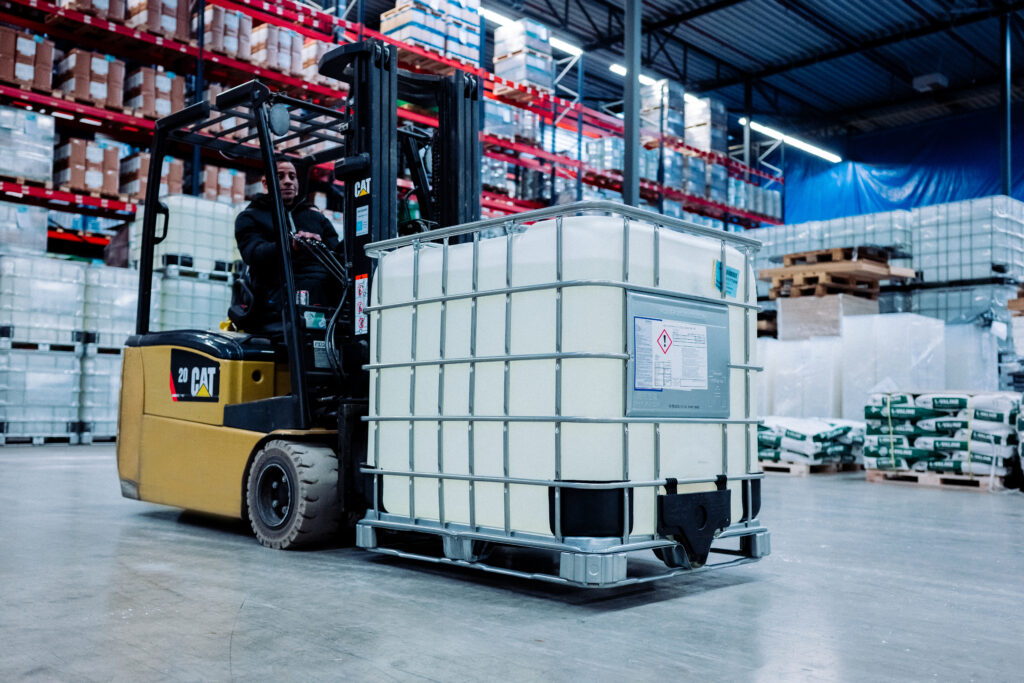
Looking for a partner for the storage and logistics of your chemicals? At Van der Helm Logistics, we understand how important safe storage and efficient management are for hazardous materials. While we don’t provide ADR storage ourselves, we work with specialized partners to ensure your chemicals meet the highest safety and environmental standards. Expertise in warehousing of chemicals At Van der Helm, we believe in customization and quality. Our expertise in warehousing provides a comprehensive solution for companies looking to store chemicals without compromising on safety or regulatory compliance. Data visibility and real-time reporting: Our advanced IT system provides 24/7 access to real-time information about your inventory, orders and logistics processes. This allows you to accurately monitor and optimize your supply chain. Integration with transport and customs: We offer seamless logistics solutions where transport, storage and customs formalities are perfectly integrated. This keeps your logistics process smooth and reliable. What can you expect when working with Van der Helm? Our warehousing and logistics services Although ADR storage is performed by our partners, Van der Helm offers comprehensive services to support your supply chain: Why choose Van der Helm? Frequently asked questions about chemical warehousing Does Van der Helm offer ADR storage? No, but we work with reliable partners who specialize in this. Can Van der Helm transport my chemicals? Yes, we offer transportation solutions and provide a seamless connection between storage and delivery. What value-added services does Van der Helm offer ? We offer services like packing, repacking, labeling and quality control to make your goods completely ready. Get in touch Want to learn more about our warehousing services for chemicals? Our team is ready to work with you to find the perfect solution. Contact us today and find out how Van der Helm can optimize your logistics processes.
Greater transparency in container logistics: better data exchange through Rotterdam terminals

New step in digitization of logistics chain Recently, deep-sea terminal Rotterdam World Gateway (RWG) started offering full insight into new data elements, giving shippers more control over container movements. This development follows a successful lobby for better data exchange and transparency within the logistics sector. APMT at Maasvlakte II and Hutchison Ports ECT Rotterdam are also expected to follow soon with a similar approach. Understanding container movements through Portbase With the integration of advanced terminal data, Portbase users now receive detailed and up-to-date information about their containers. This is accessible via a Cargo Controller account and can be integrated into existing systems both via an online user environment and via an API link. By incorporating real-time status and planning information directly into logistics processes, better coordination between carriers, terminals and hinterland connections is created. What data elements are available now? The information shared by RWG comes directly from the terminal’s scheduling system, ensuring reliability and timeliness. The data available include the ocean vessel’s expected time of arrival (ETA), the expected time of discharge (EDT), the ship’s expected time of departure (ETD) and the exact time the container leaves the terminal (Gate-out). Central availability of terminal information With RWG’s connection to Cargo Controller, all major deep-seater terminals in Rotterdam are now connected to this platform. In recent years, terminal data often became fragmented across different systems, making it difficult to understand container flows. Centralization via Cargo Controller now makes it possible to share this information with authorized parties in a secure and structured way. What does this mean for the logistics industry? This development represents a major step forward in the digitization and optimization of supply chain processes. Shippers benefit from better predictability and more efficient planning, while carriers and logistics service providers can switch faster and more accurately. At Van der Helm, we are actively committed to innovation and digitization within the logistics sector. Transparency and efficient data exchange play a crucial role in improving supply chains. Want to know how to make the best use of these new opportunities? Contact us for strategic advice.
European Commission wants higher threshold for CBAM: impact on importers

Proposed relaxation of CBAM rules The European Commission plans to significantly increase the threshold for the Carbon Border Adjustment Mechanism (CBAM). European Commissioner for Climate and Clean Growth Wopke Hoekstra announced that the Commission will soon present a proposal to increase the current limit of €150 per shipment. This would mean exempting about 80 percent of the companies currently covered by CBAM. Reduced administrative burden for small importers According to the European Commission, less than 20 percent of companies account for more than 95 percent of embedded emissions in CBAM goods. By raising the threshold, the scheme continues to target the largest emitters, while smaller importers experience less administrative burden. The Netherlands Emissions Authority (NEa) previously advocated raising the threshold. For importers who import only small quantities of CBAM goods, the administrative obligations are often disproportionately high. Moreover, these cases involve relatively low CO2 emissions, limiting the impact on climate goals. Implications and further decision-making Although the proposal has been positively received by companies and organizations such as the NEa, it is not yet final. Plans must be further developed and approved by member states before the new threshold actually comes into effect. The exact impact on importers will therefore depend on the final details of the scheme. What does this mean for importers and the logistics industry? At Van der Helm, we are closely following developments around CBAM. For companies trading internationally, it is essential to know how these changes can affect import procedures and costs. Through our expertise in customs matters and cross-border logistics, we help customers stay compliant and minimize administrative burdens. Want to know more about how these CBAM changes affect your import process? Contact us for tailored advice.